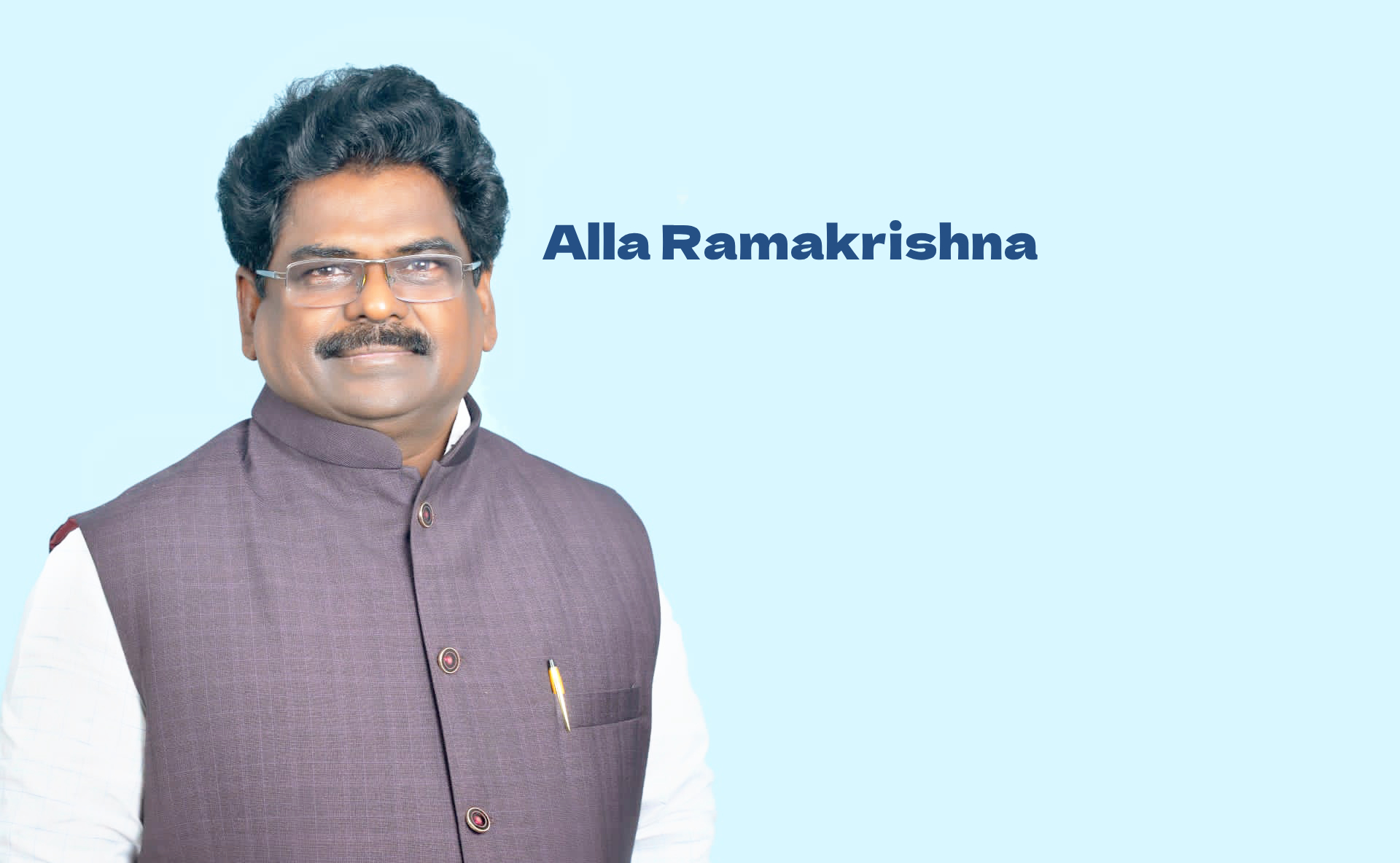
Humanist, Fighter for Equality,
and the Voice of the Voiceless
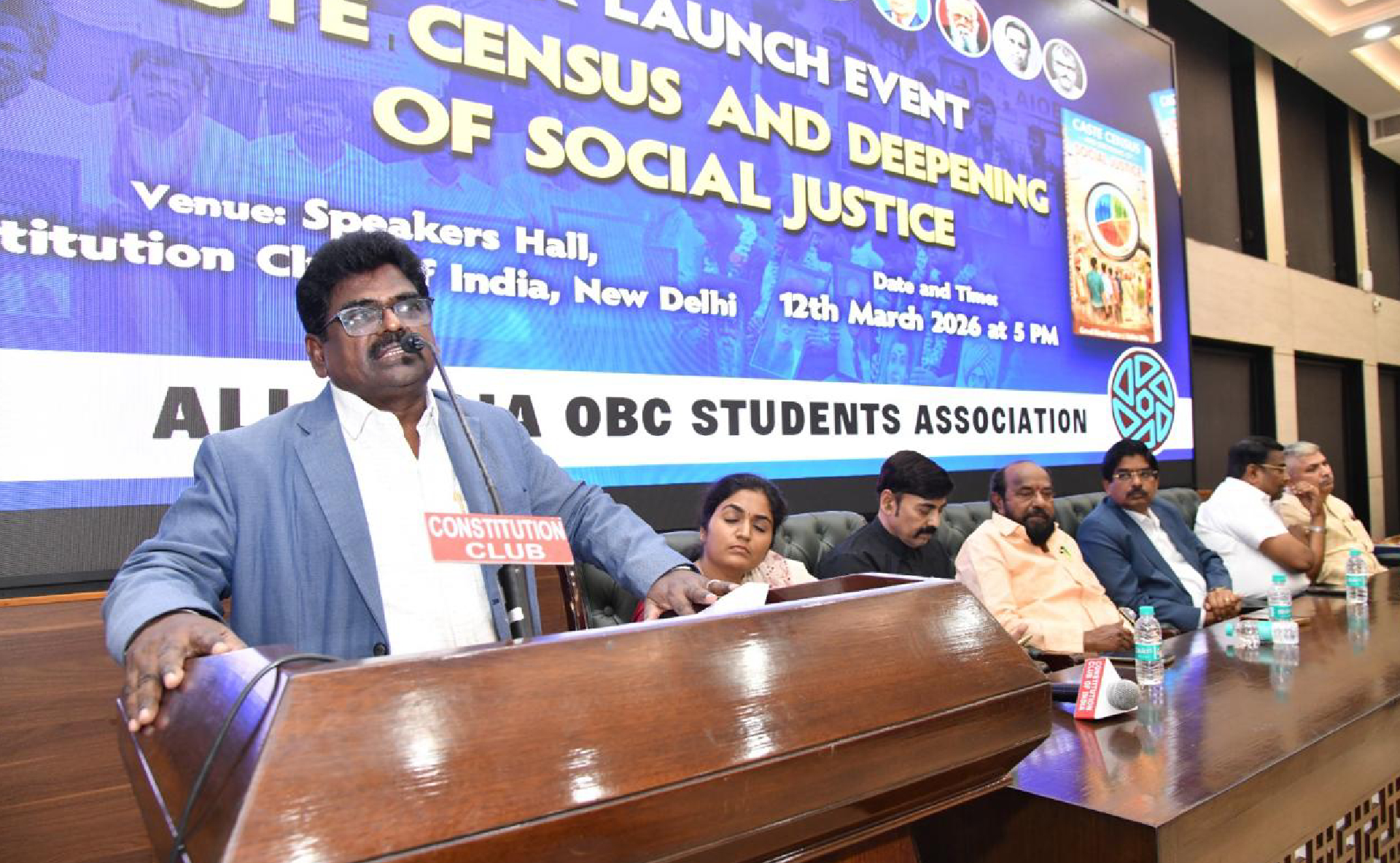
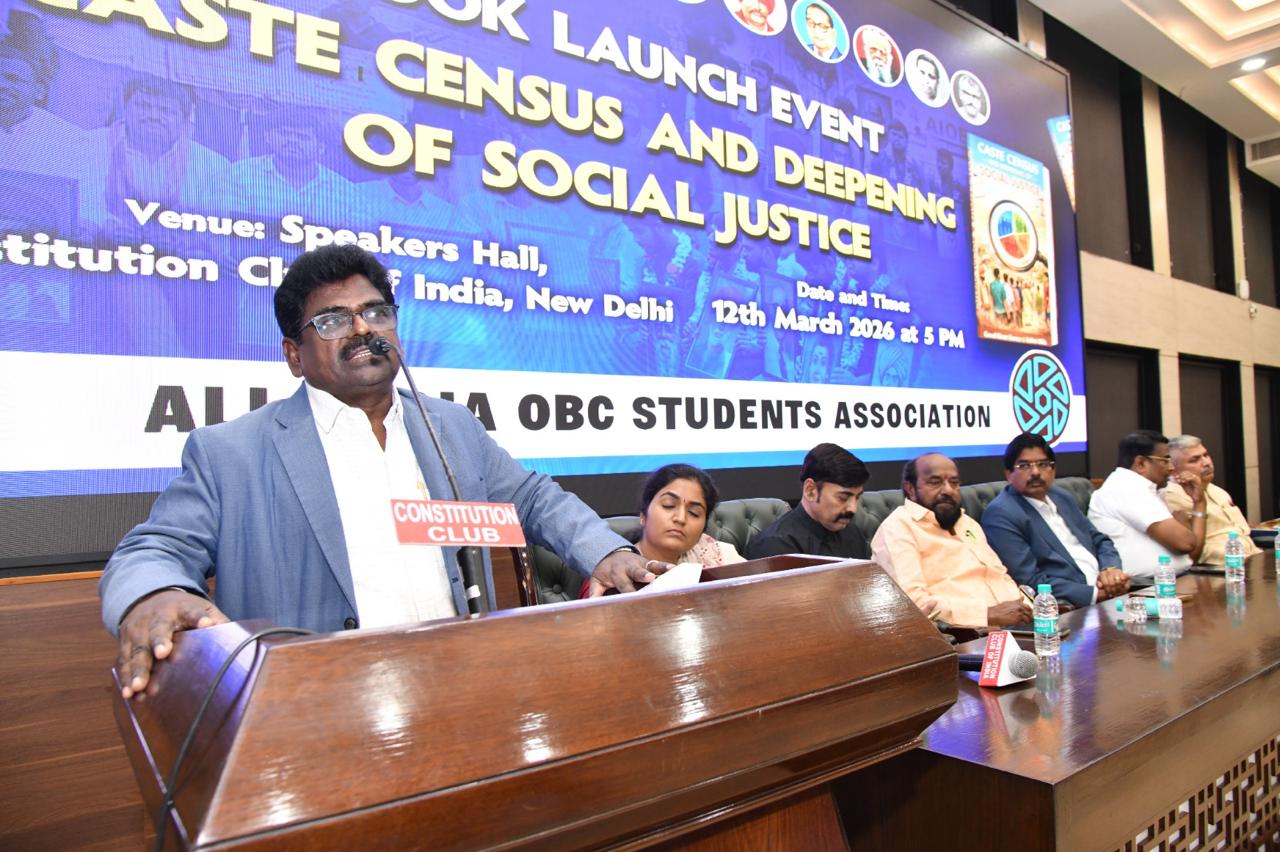
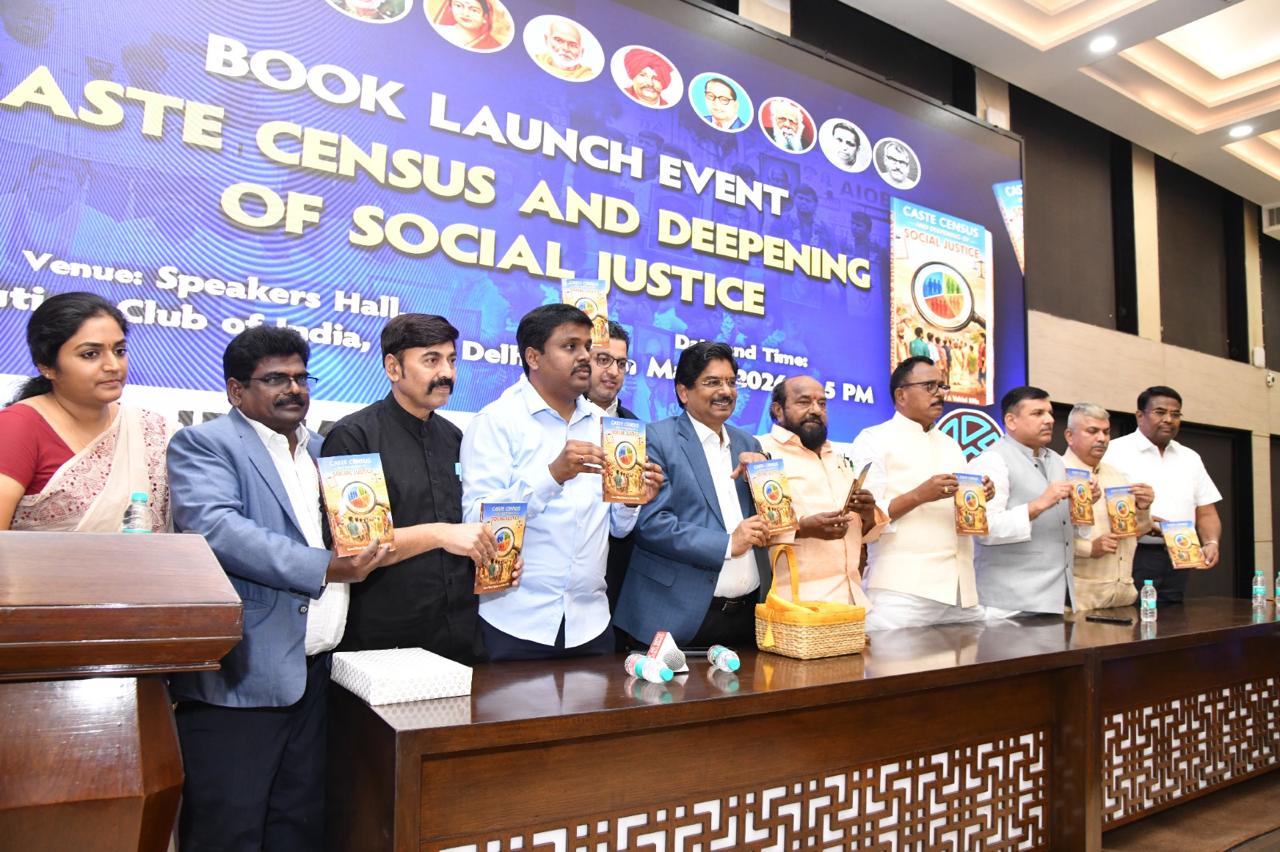
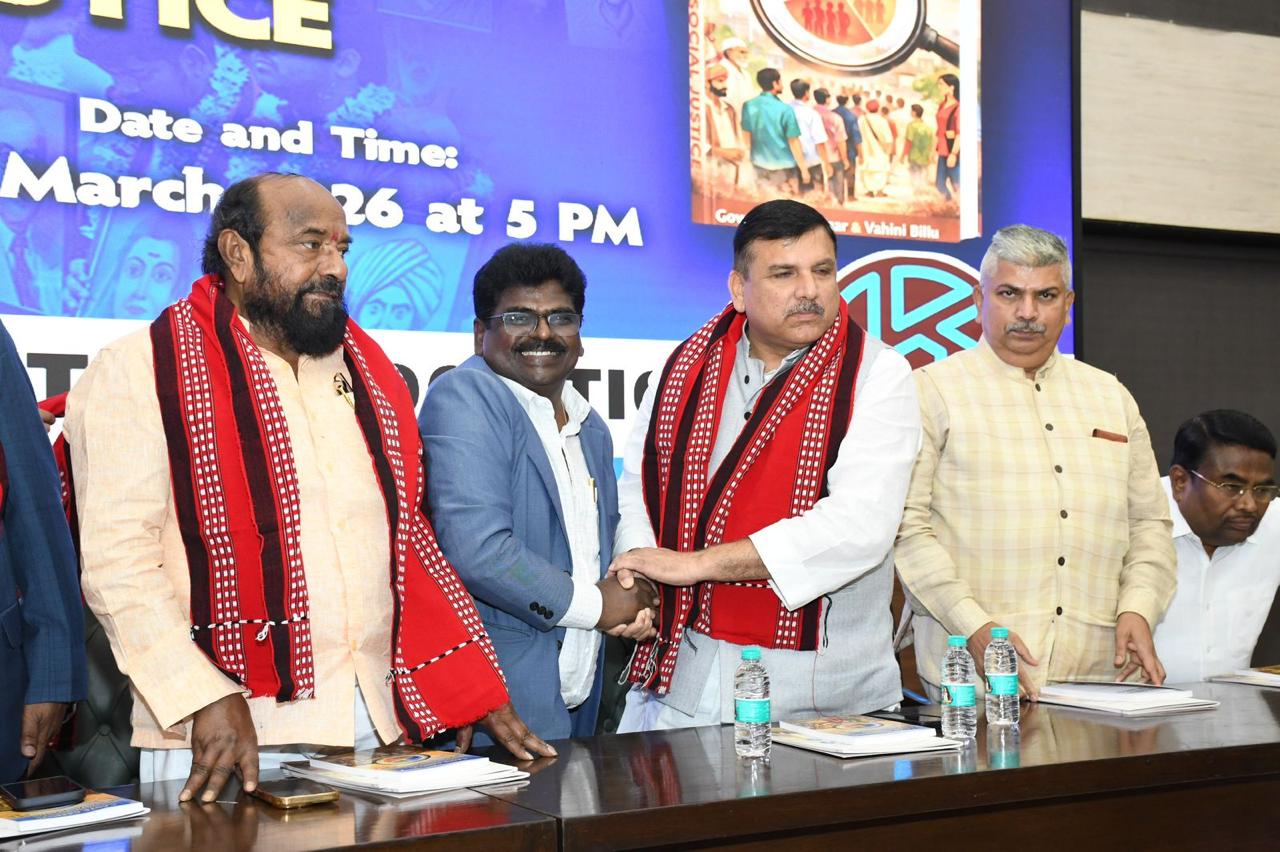
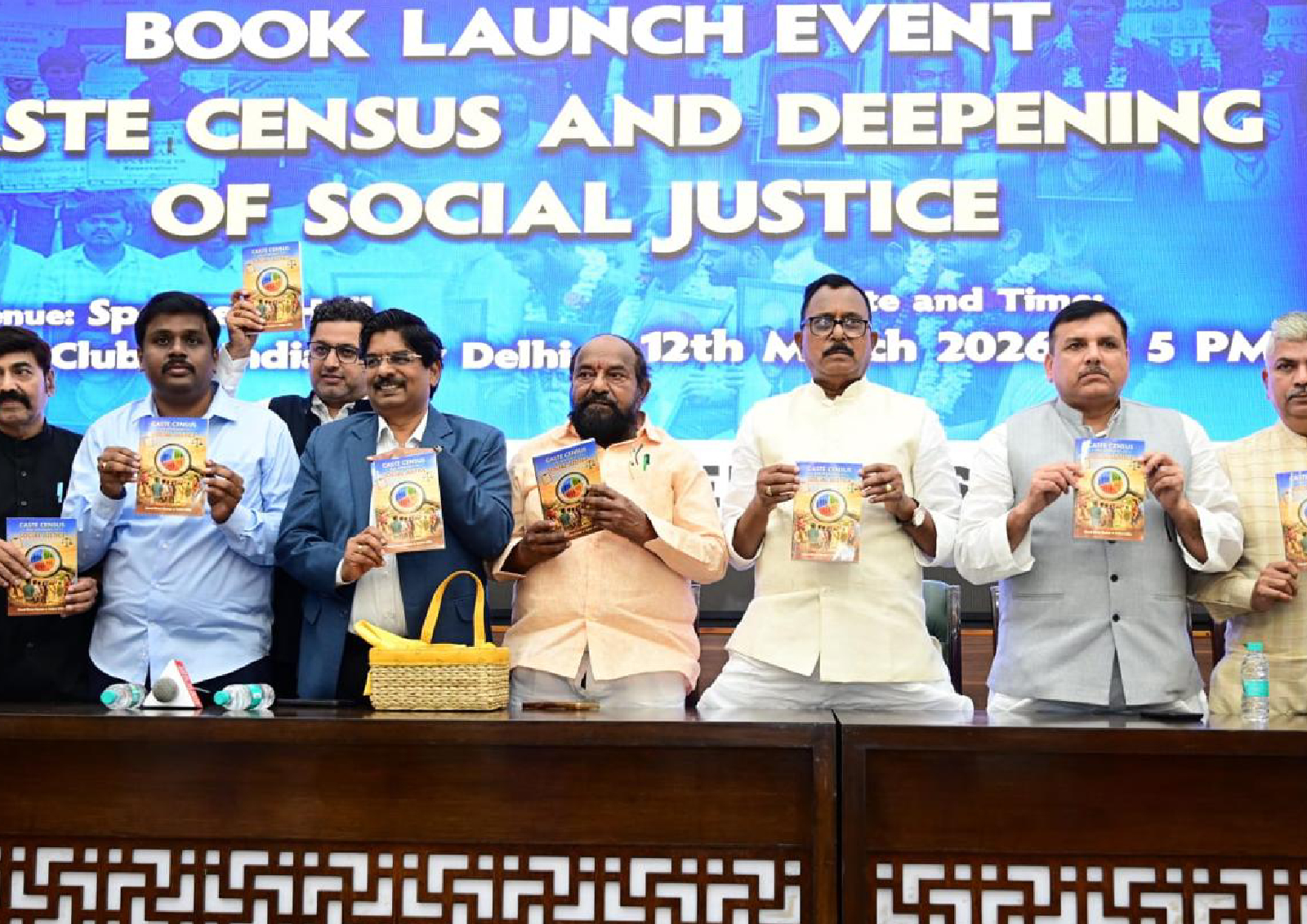
Caste Census & Deepening
of Social Justice
Event
Introduction
The Making of a Conscience
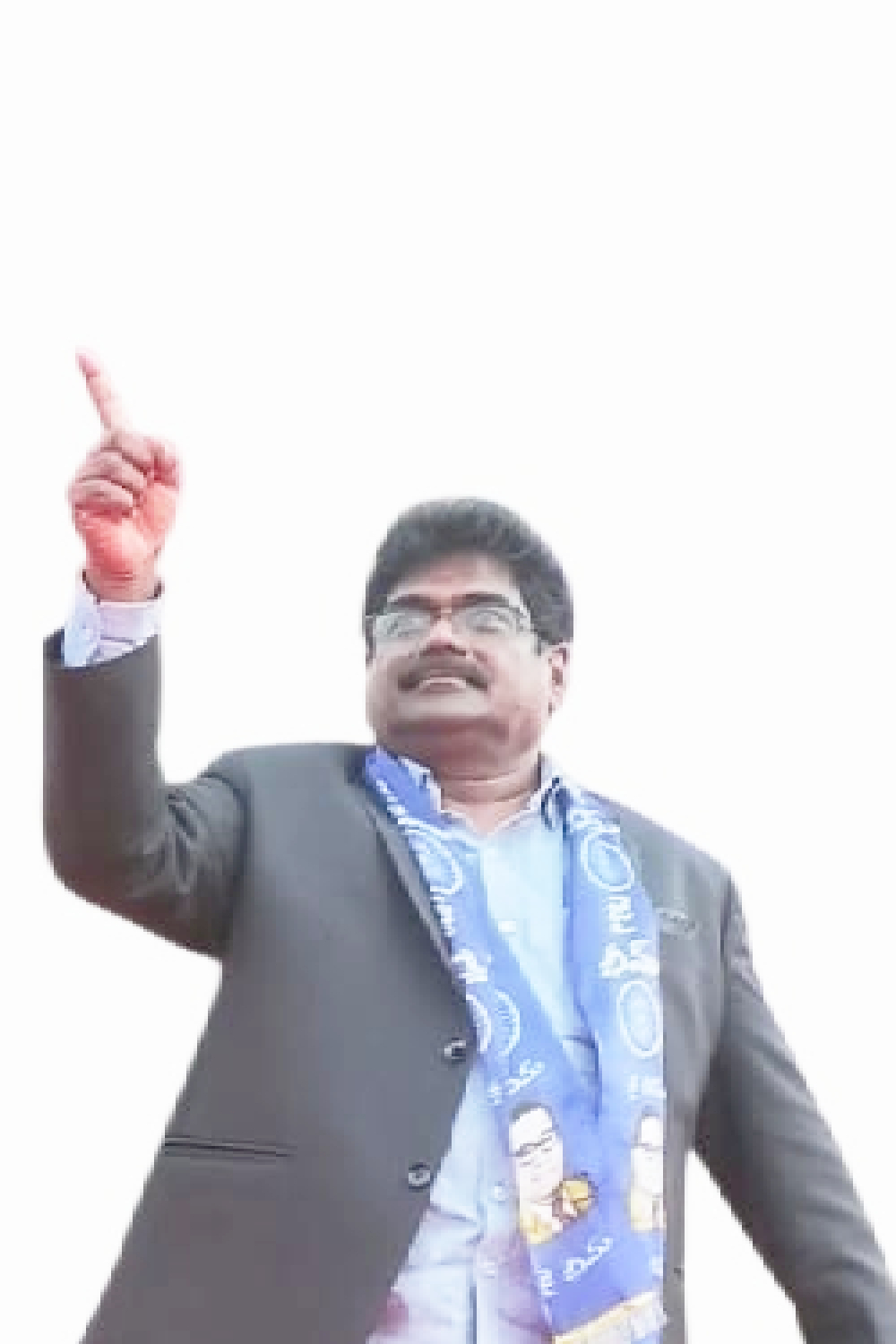
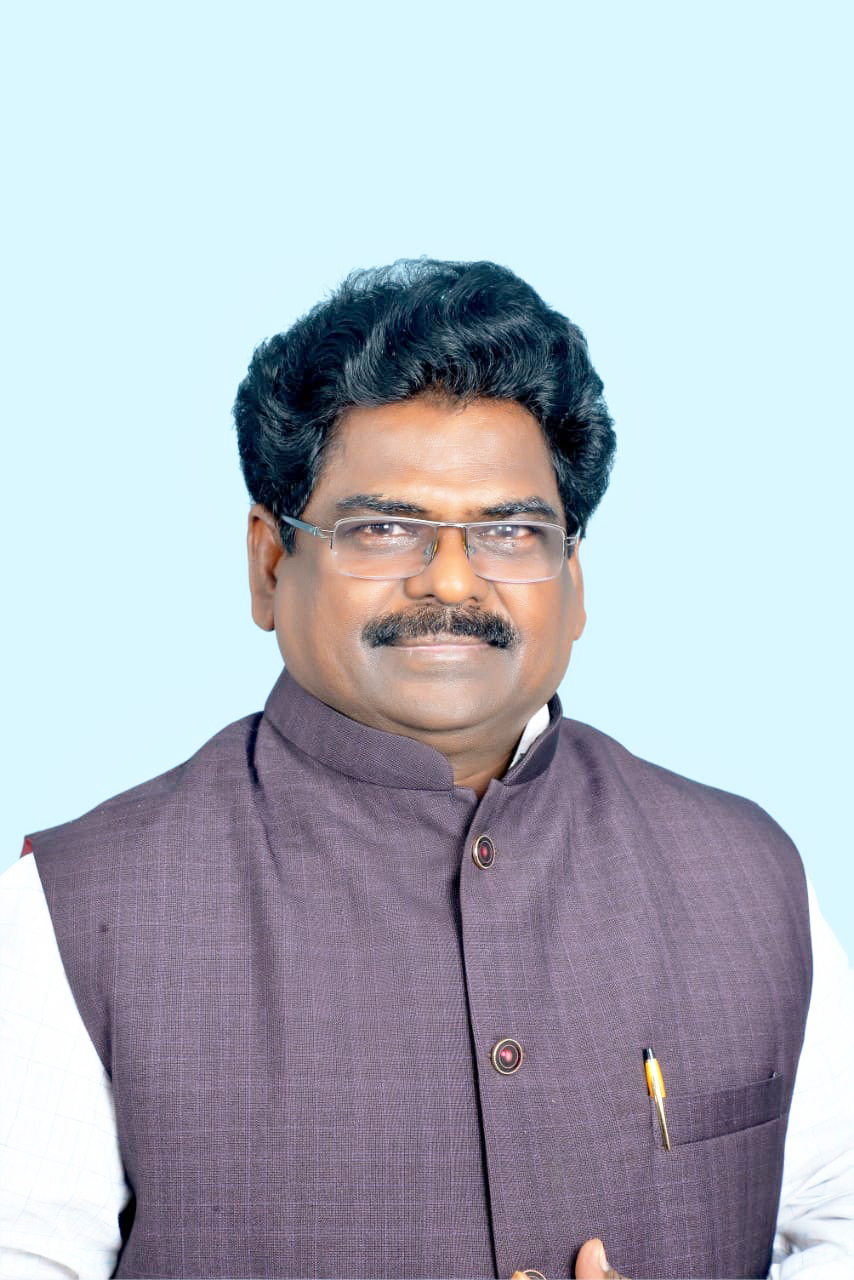
In a world increasingly fractured by ideology, religion, caste, and class, there emerge rare individuals who choose to stand apart — not above others, but beside them. Alla Rama Krishna is one such man. To speak his name in the circles he inhabits is to invite a conversation about purpose, sacrifice, and the deep, aching love for one's fellow human beings. He is not a politician seeking votes, not a preacher seeking converts, not a celebrity seeking applause. He is, in the truest and most radical sense of the word, a humanist — a man who has wagered his entire existence on the belief that humanity itself is the highest cause.
Born into the complexities of Indian society, Alla Rama Krishna grew up witnessing the contradictions that haunt the subcontinent: breathtaking spiritual traditions coexisting with crushing poverty; ancient philosophies of unity papering over violent divisions of caste; democratic rhetoric echoing in corridors where the poor rarely enter. These contradictions did not numb him. They galvanised him. And in the process, he forged a philosophy, a way of being in the world, that is at once deeply personal and profoundly political.
The Sociological Catalyst
Defining a New Kind of Activism
Alla Rama Krishna calls himself a 'sociological catalyst' — a term that deserves careful unpacking. A catalyst, in chemistry, is a substance that accelerates a reaction without being consumed by it. The metaphor is instructive. Krishna does not seek to impose change through the force of his own will or the power of any institution. Instead, he inserts himself into the conversations, the communities, and the crises of his time and works to accelerate the processes of awakening, solidarity, and collective action that already exist in embryonic form within society.
This is a sophisticated and humble form of activism. It requires an ego secure enough to lead but wise enough to follow when the moment demands it. It requires patience — the patience of a farmer who plants seeds knowing he may not live to eat all the fruit. And it requires an almost ferocious commitment to remaining ordinary, to refusing the pedestals that admirers sometimes construct, because the moment a catalyst is elevated above the reaction it catalyses, it ceases to function.
"I am a democratical fighter for equality. I question, I fight, and I stand on truth."
Philosophy Without Pulpit: Humanism as a Way of Life
At the heart of Alla Rama Krishna's worldview is a declaration that many in his cultural context find startling: he does not believe in God. In a country where religious identity saturates every dimension of public and private life — where the sound of temple bells and the call to prayer and the hymns of churches are the background music of existence — this is a position that carries social cost. It invites suspicion, misunderstanding, and occasionally hostility.
Yet Krishna wears this position not as a badge of intellectual superiority but as a clarification of purpose. He is not an atheist because he has contempt for those who believe; he is an atheist because he has chosen to place his faith elsewhere — in human beings themselves. 'I don't believe in God,' he has said, 'but I am in love with humanity.' This is not a contradiction but a completion. The love that religious traditions often direct toward a divine being, Krishna directs toward his fellow mortals — in all their messiness, fallibility, and improbable beauty.
Gallery
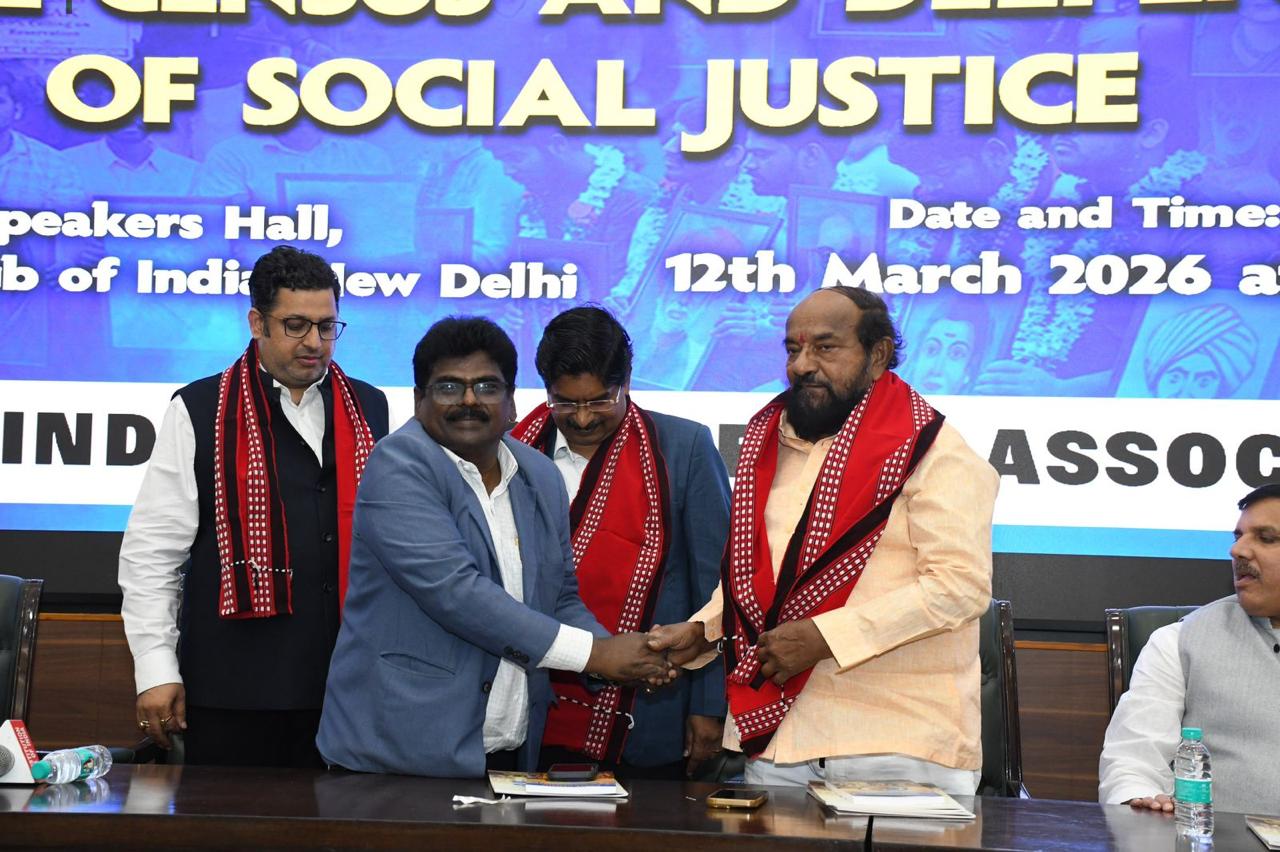
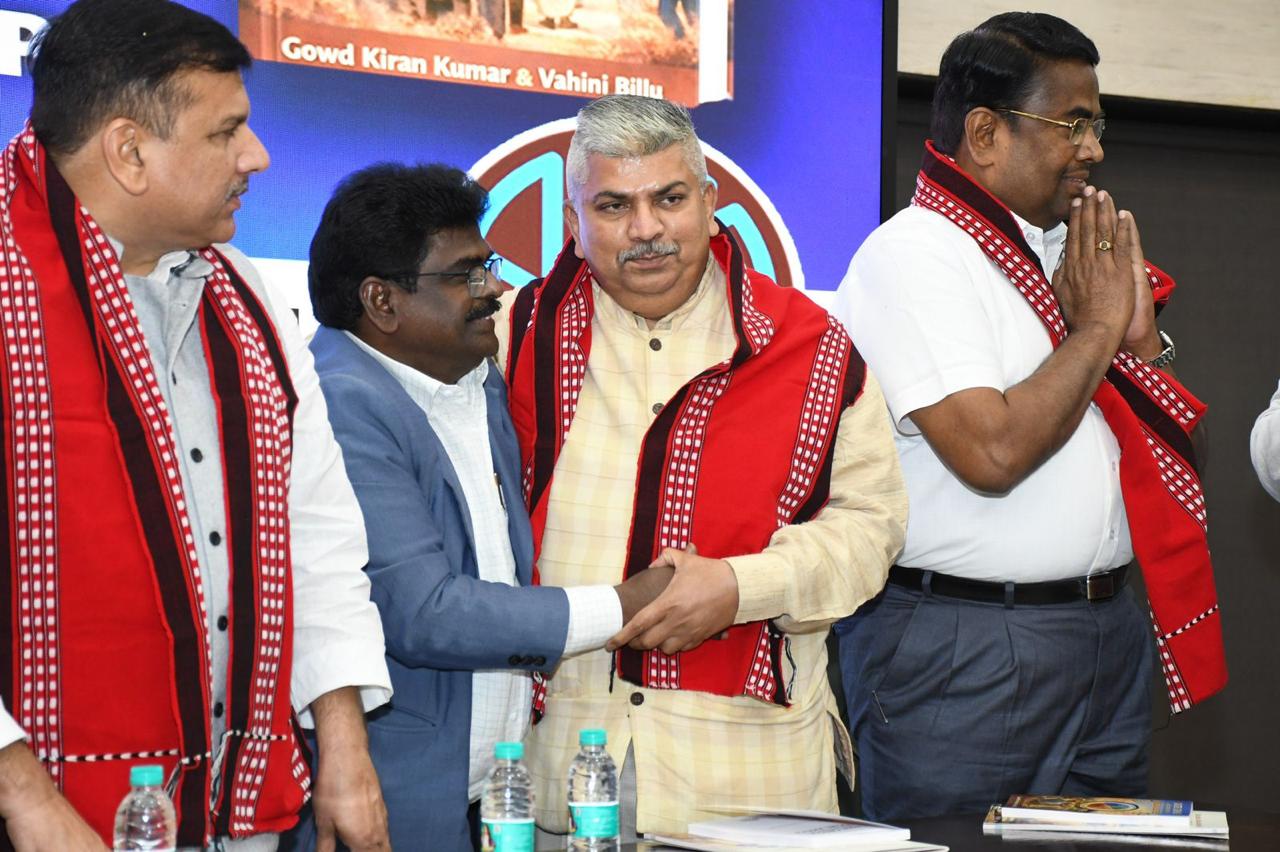
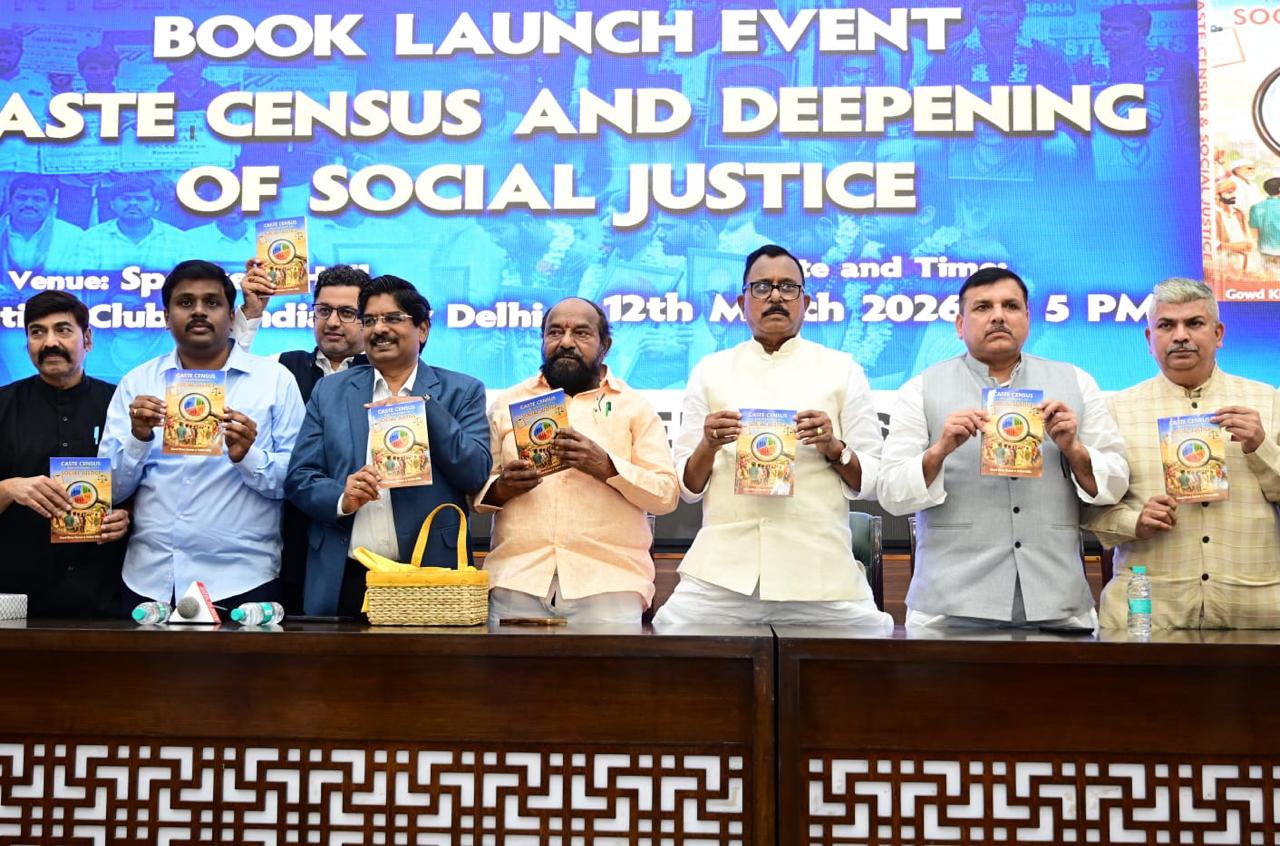
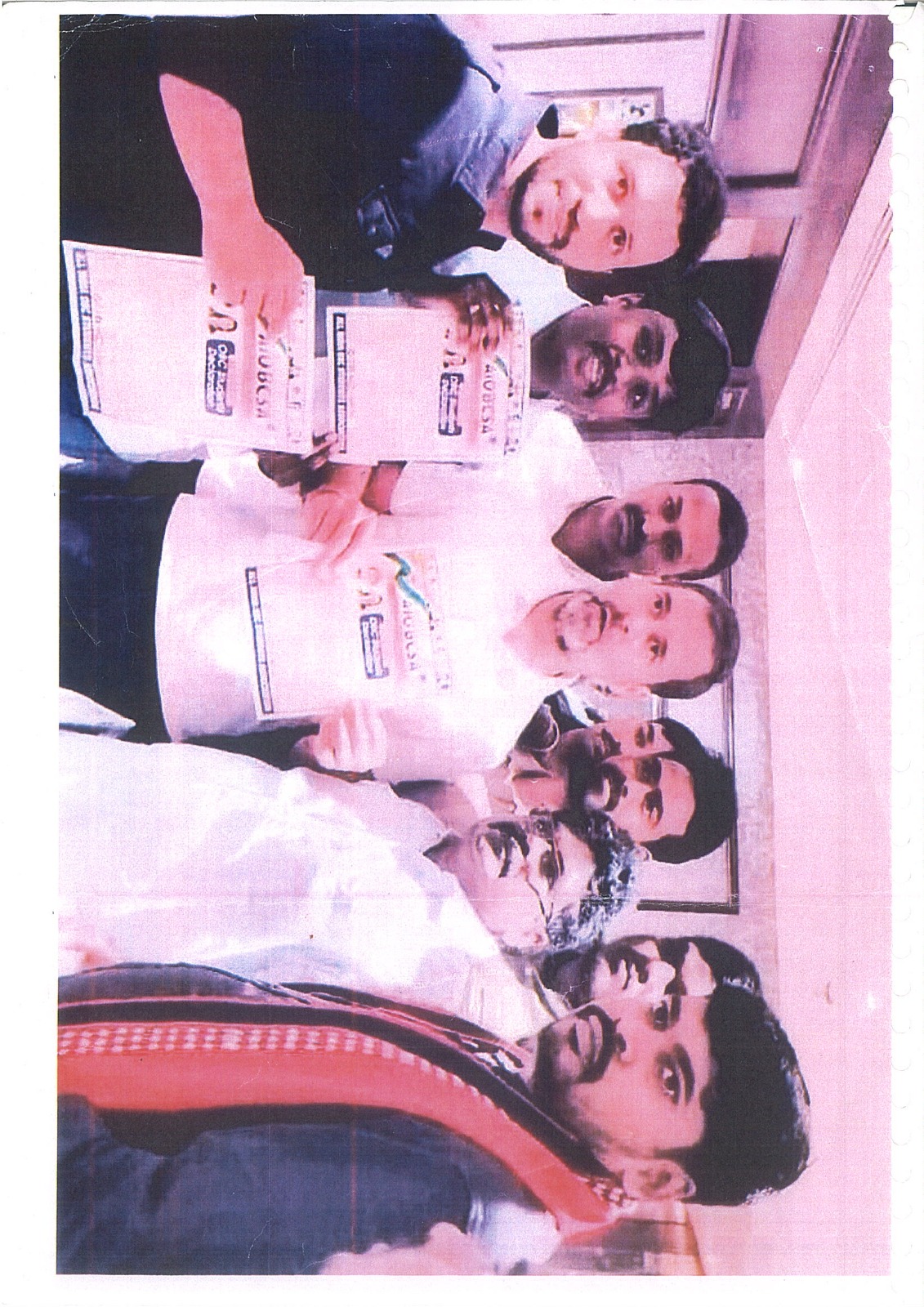
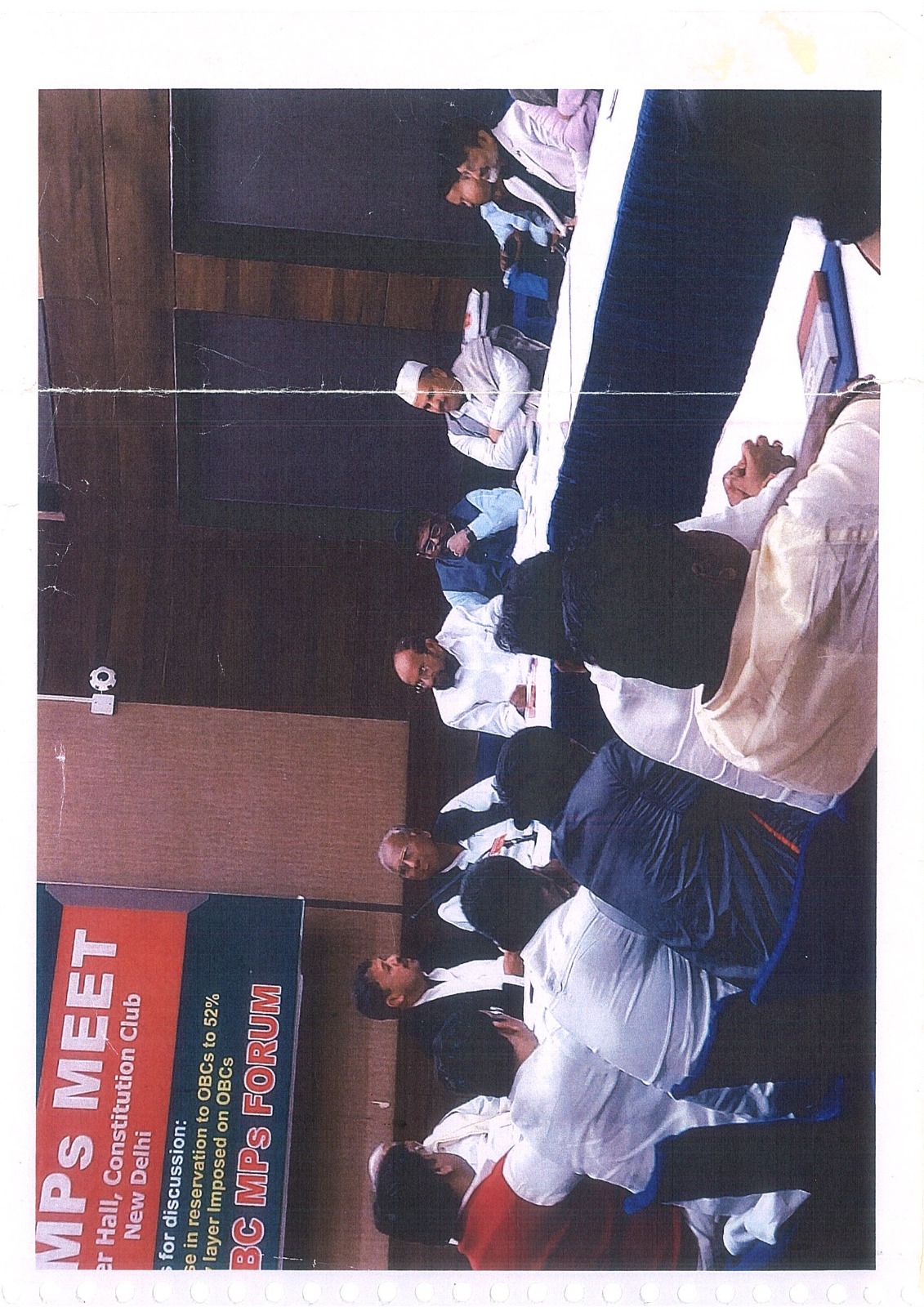
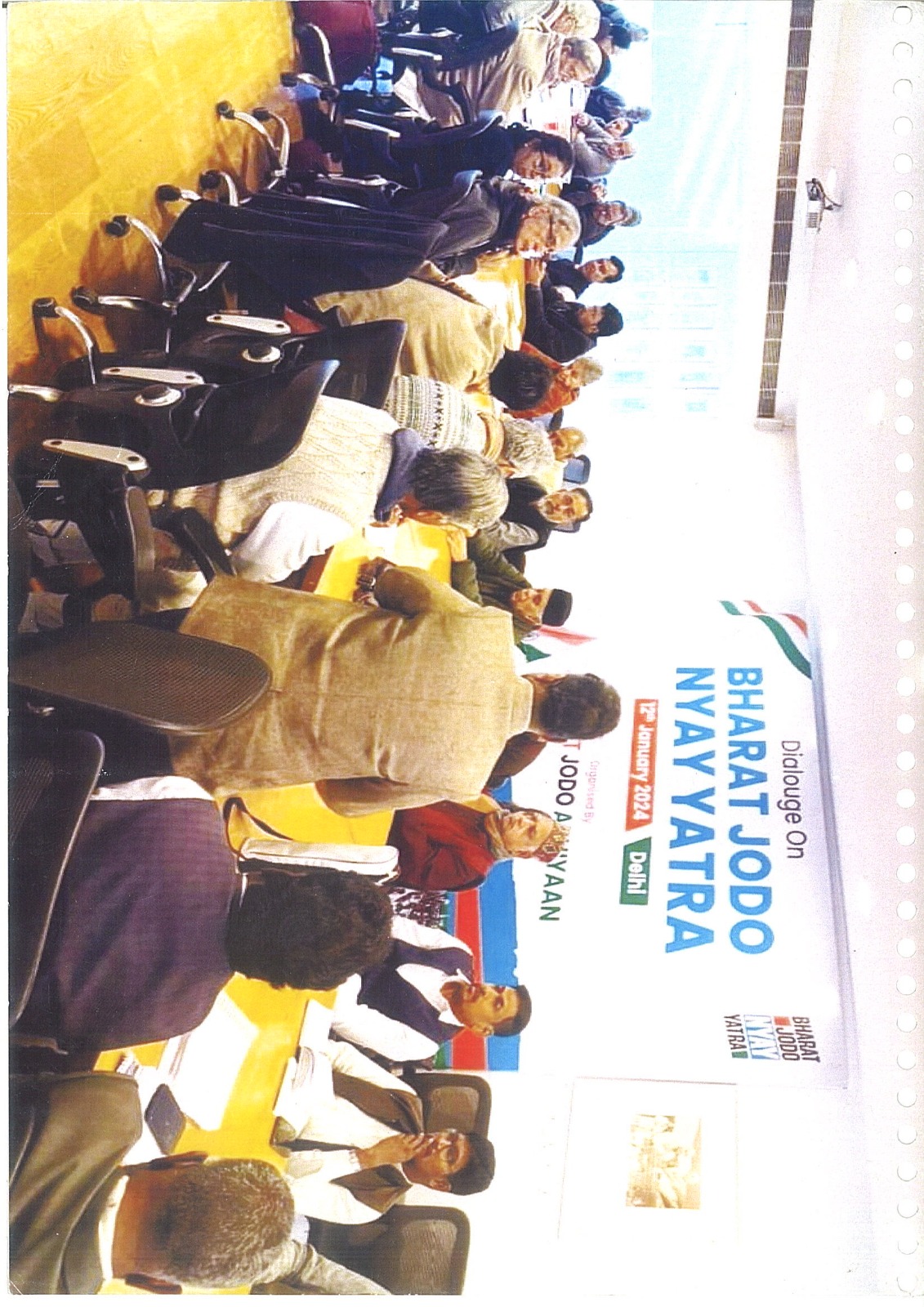
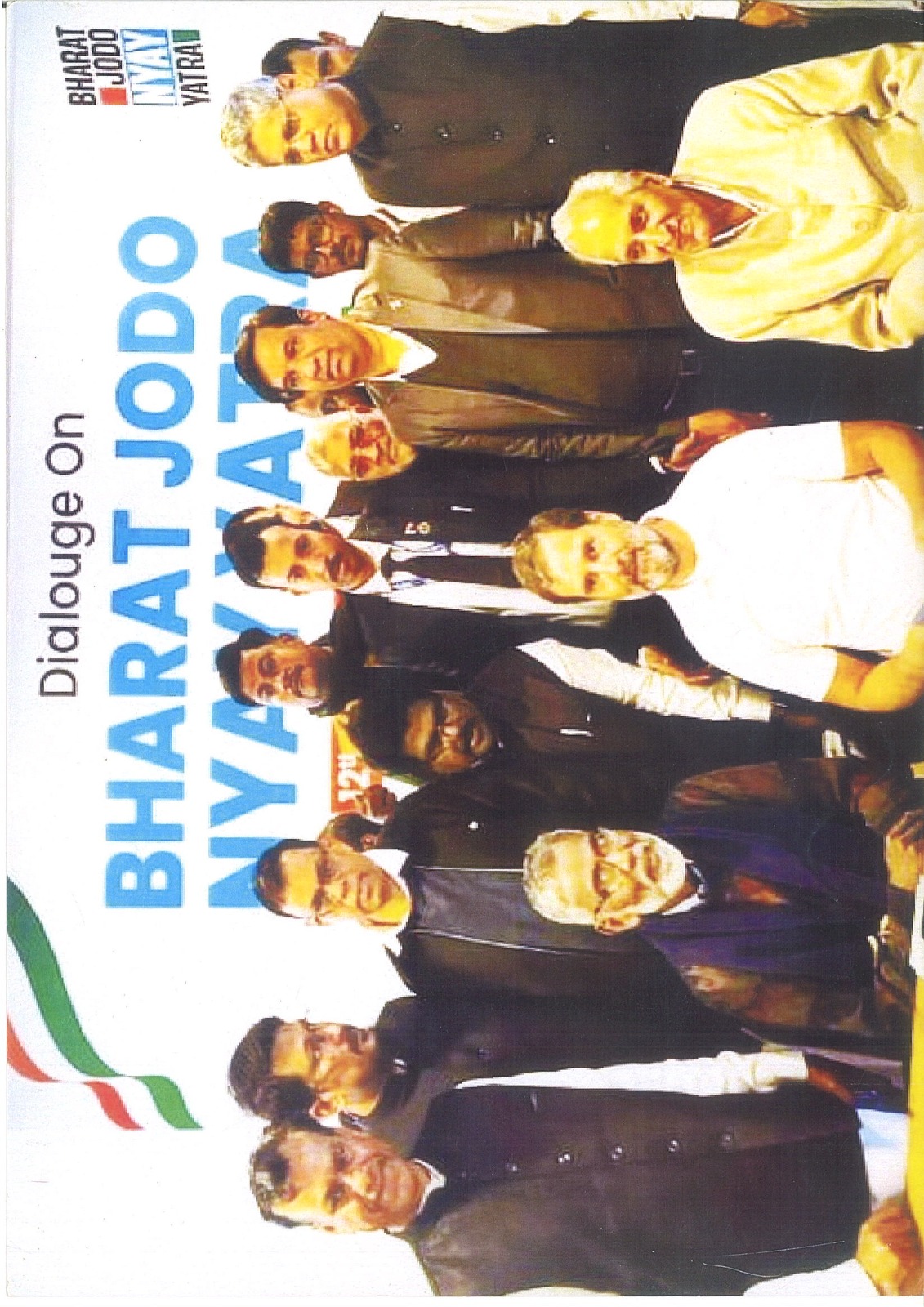
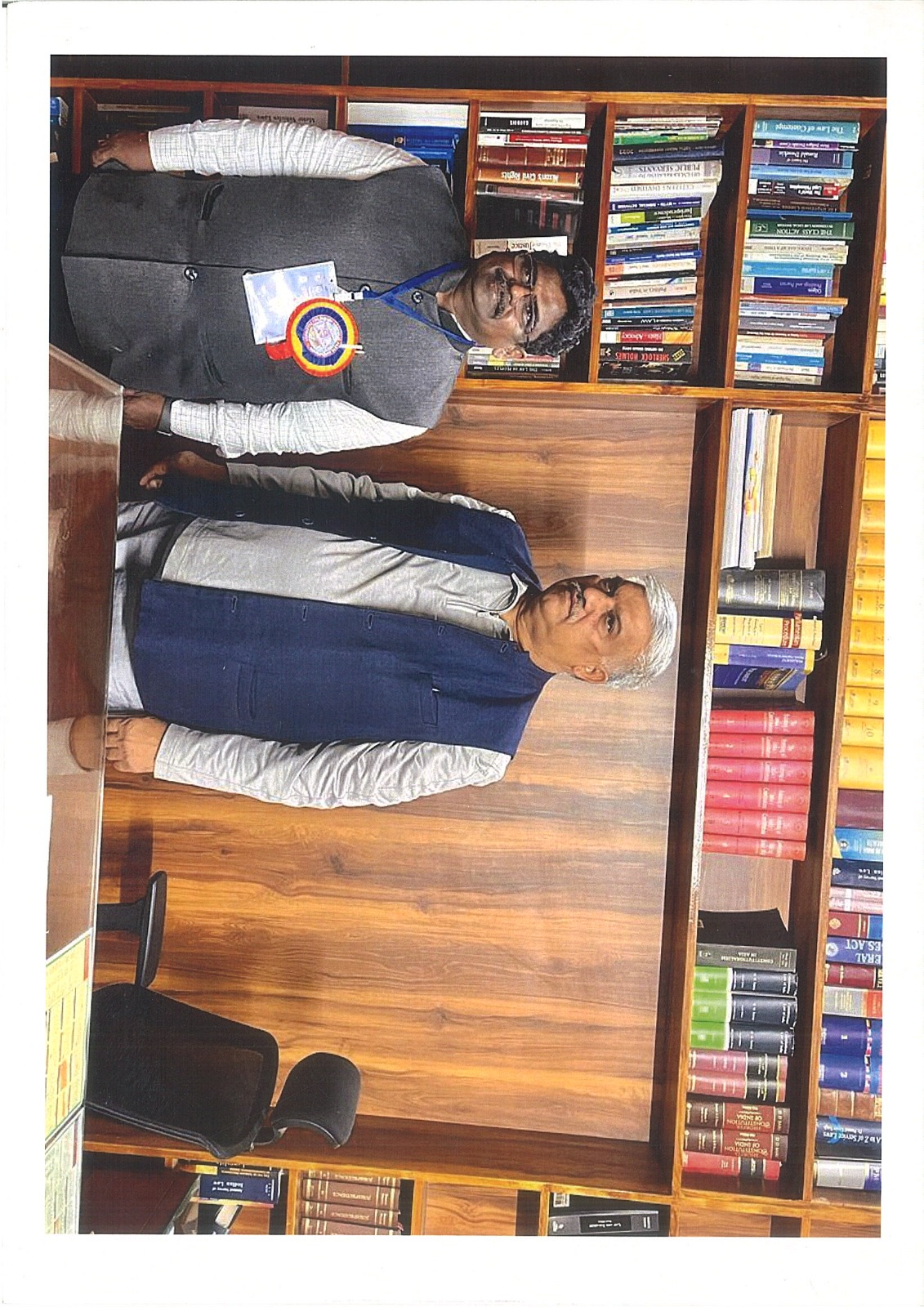
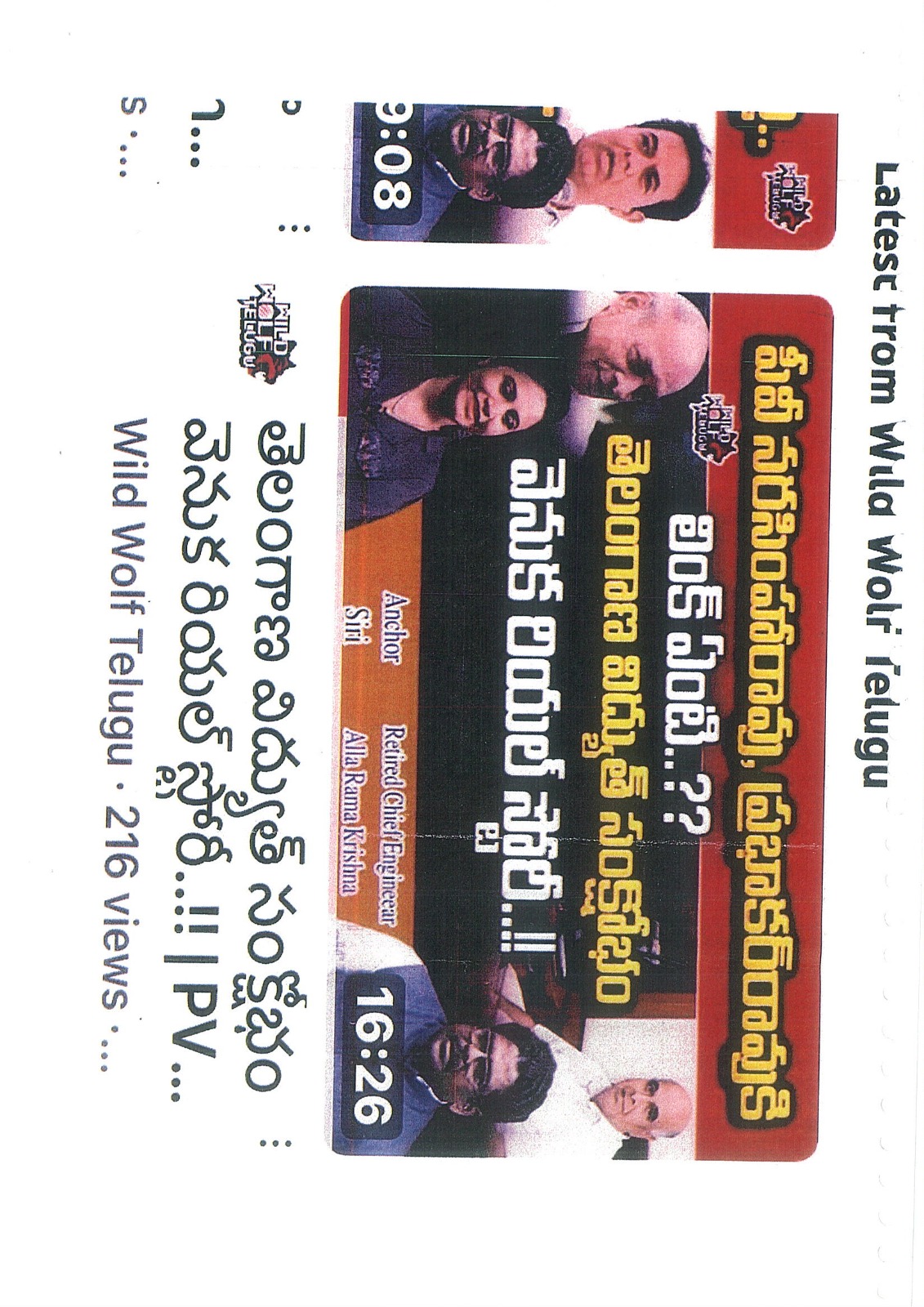
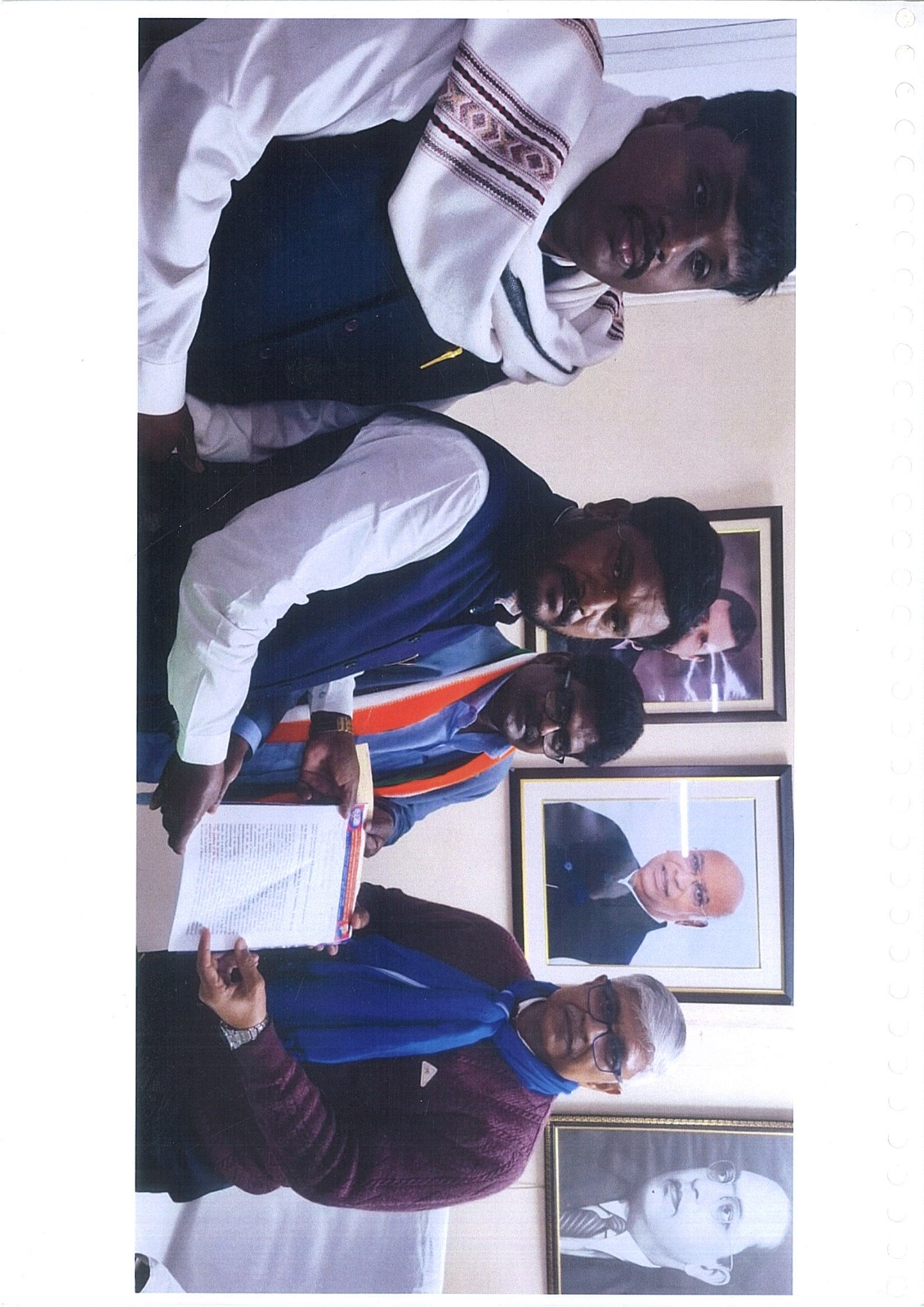
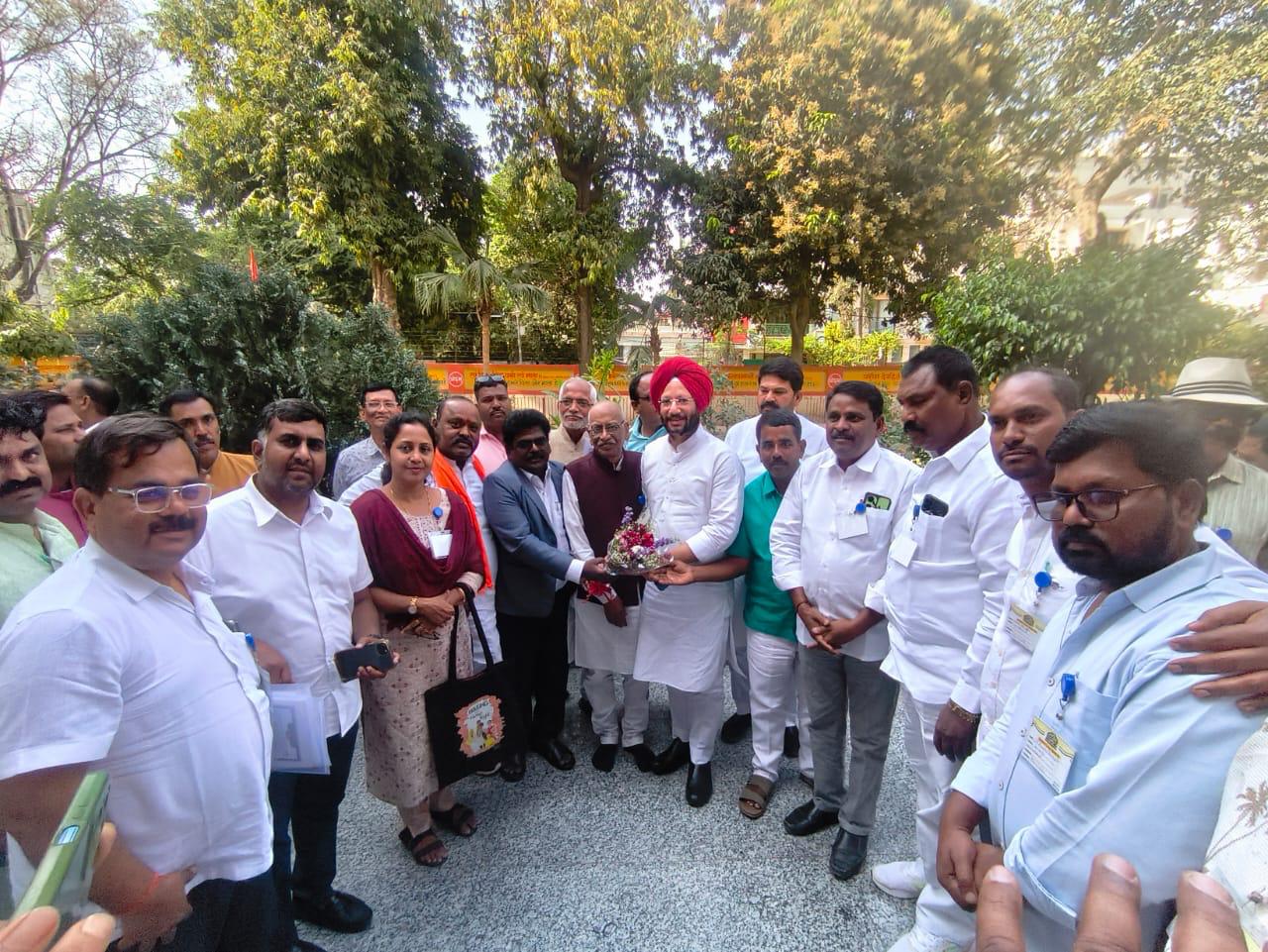
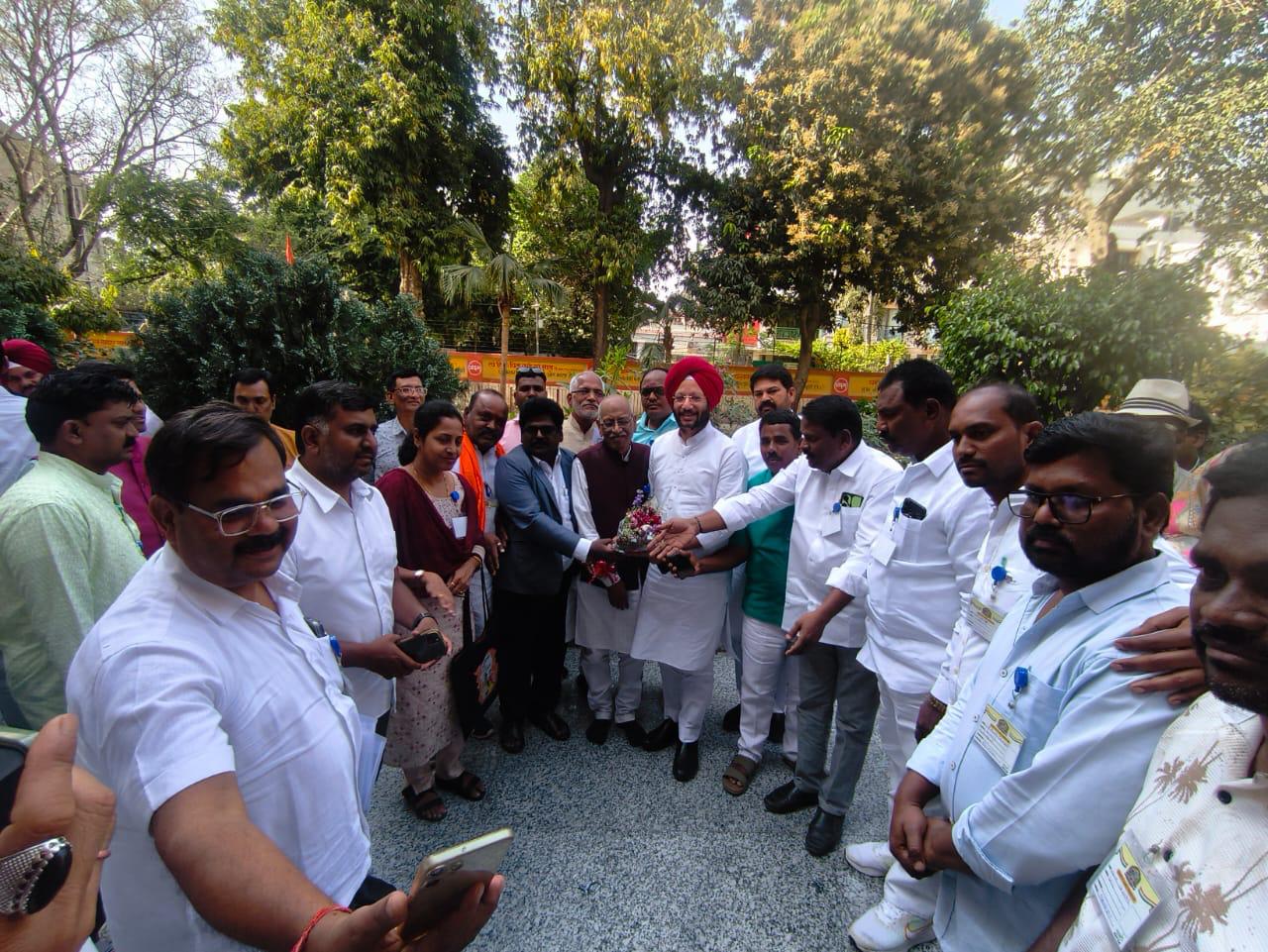
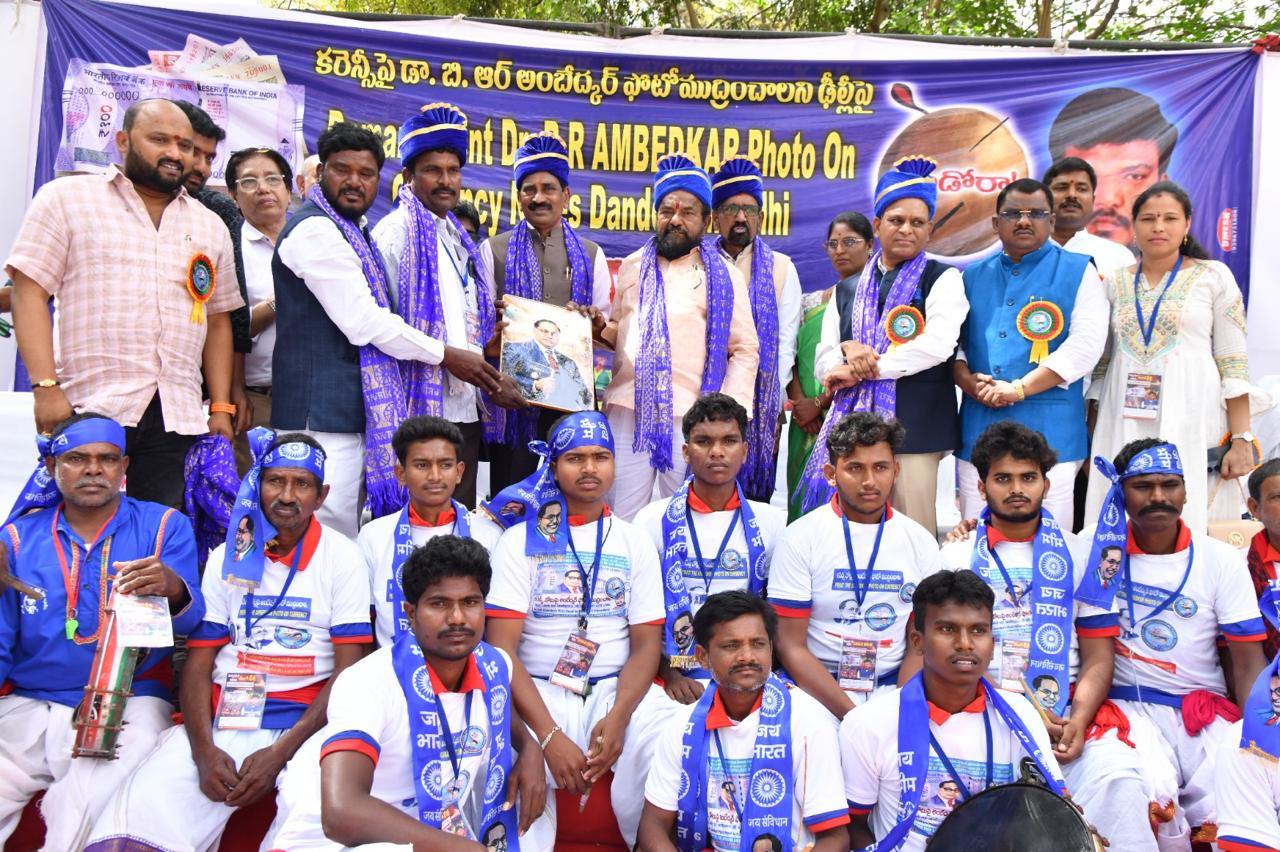
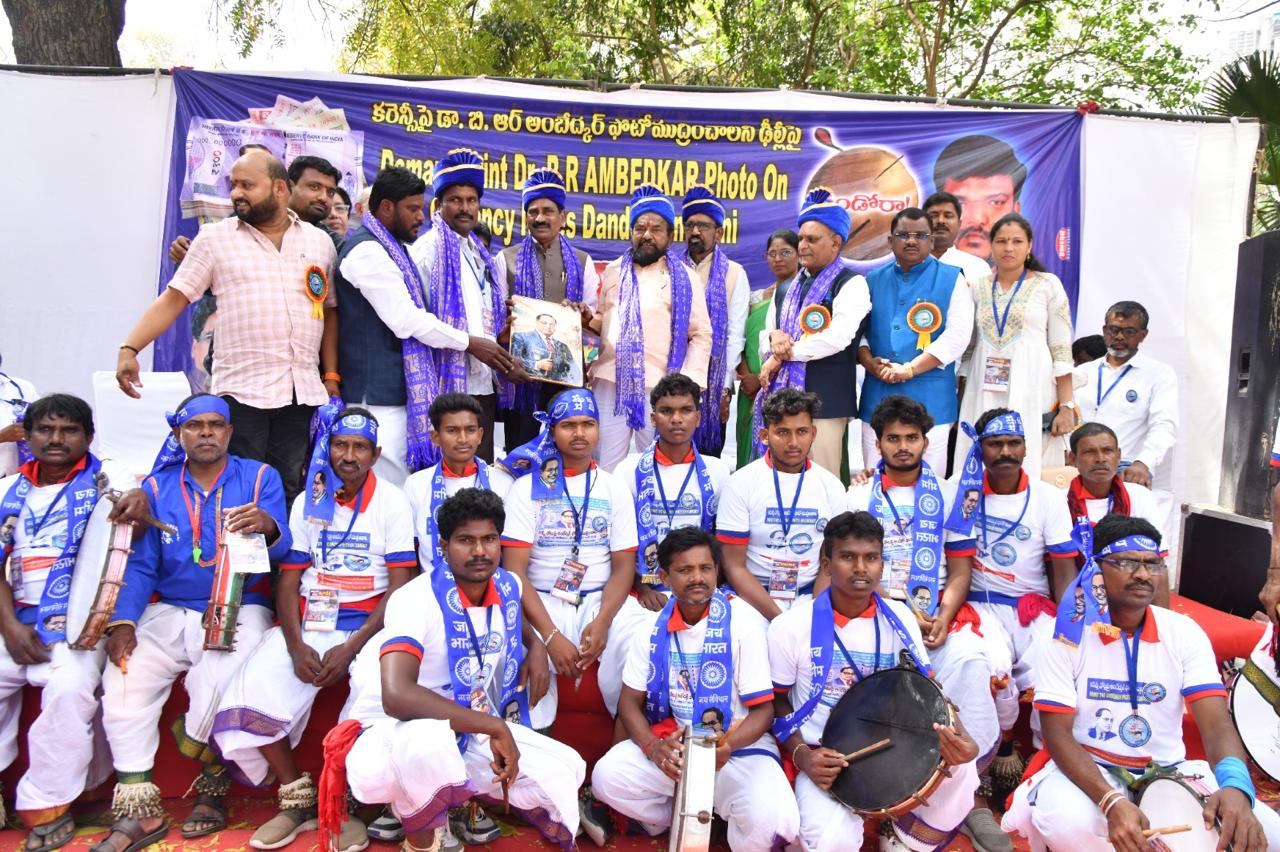
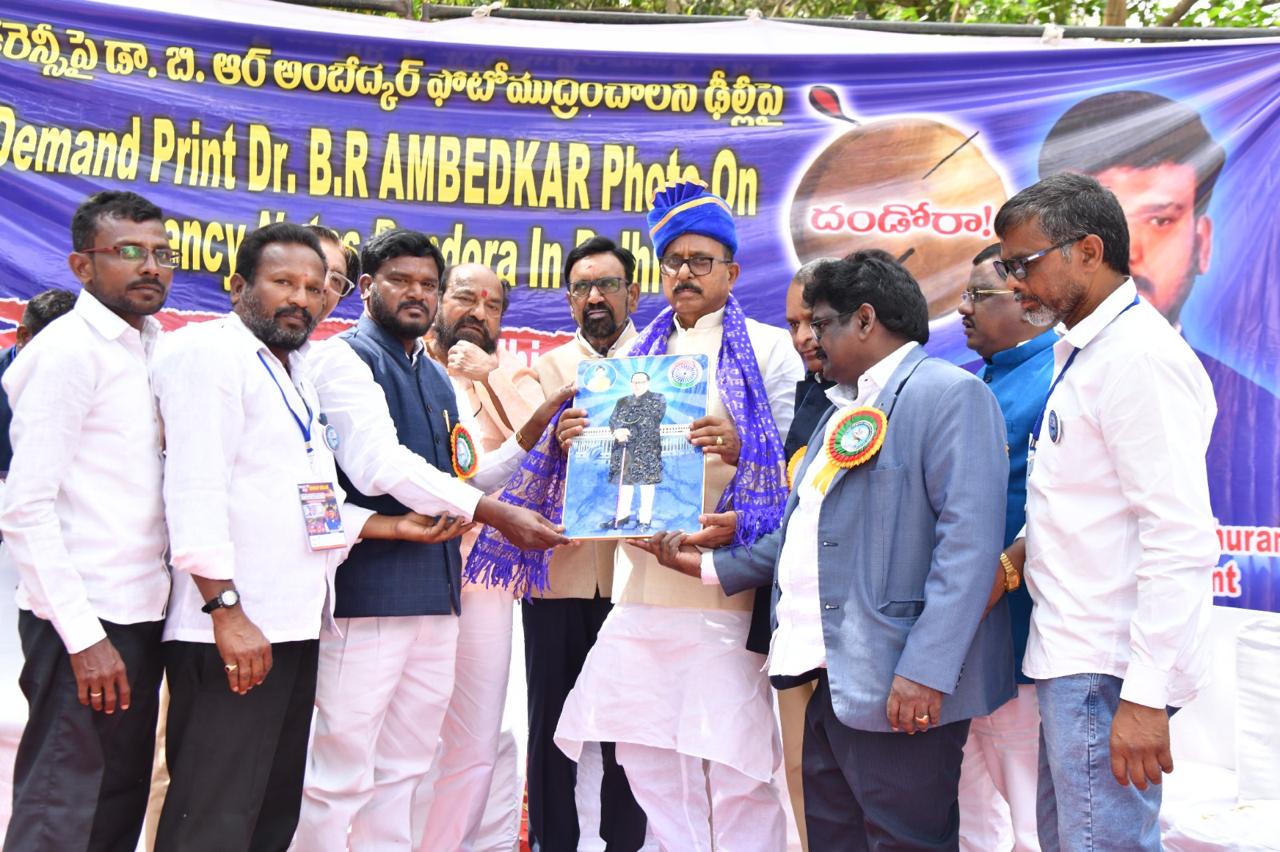
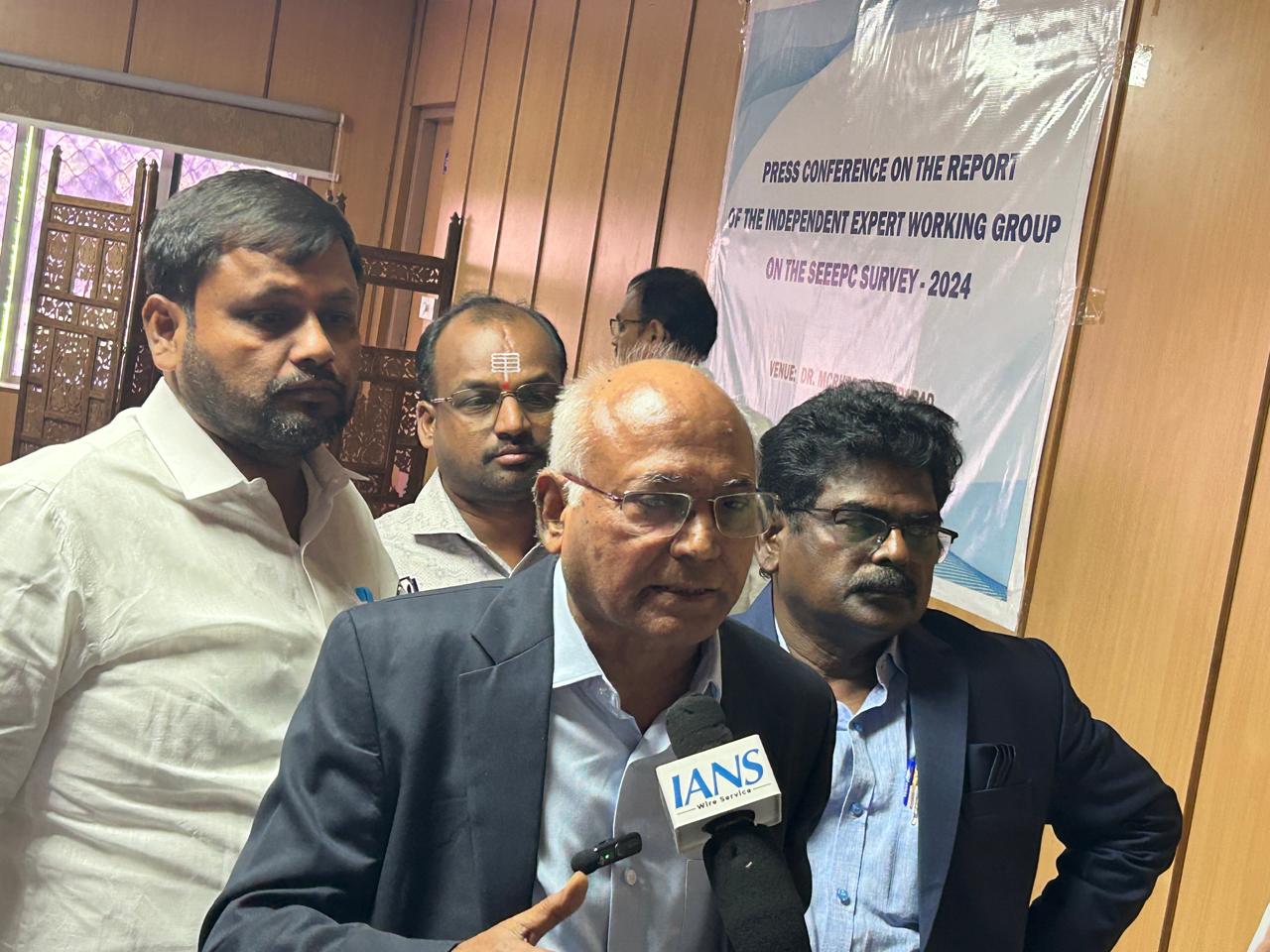
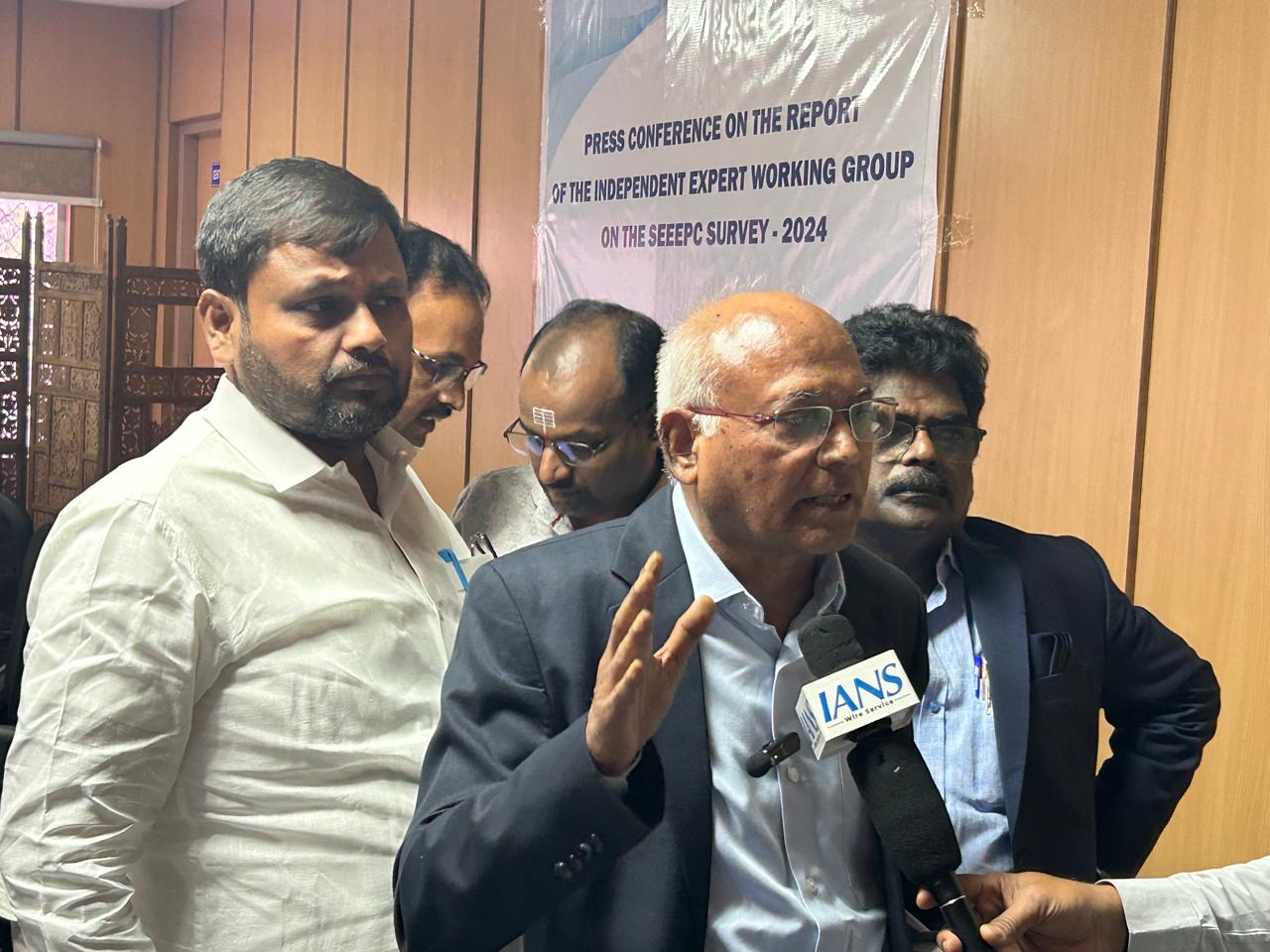
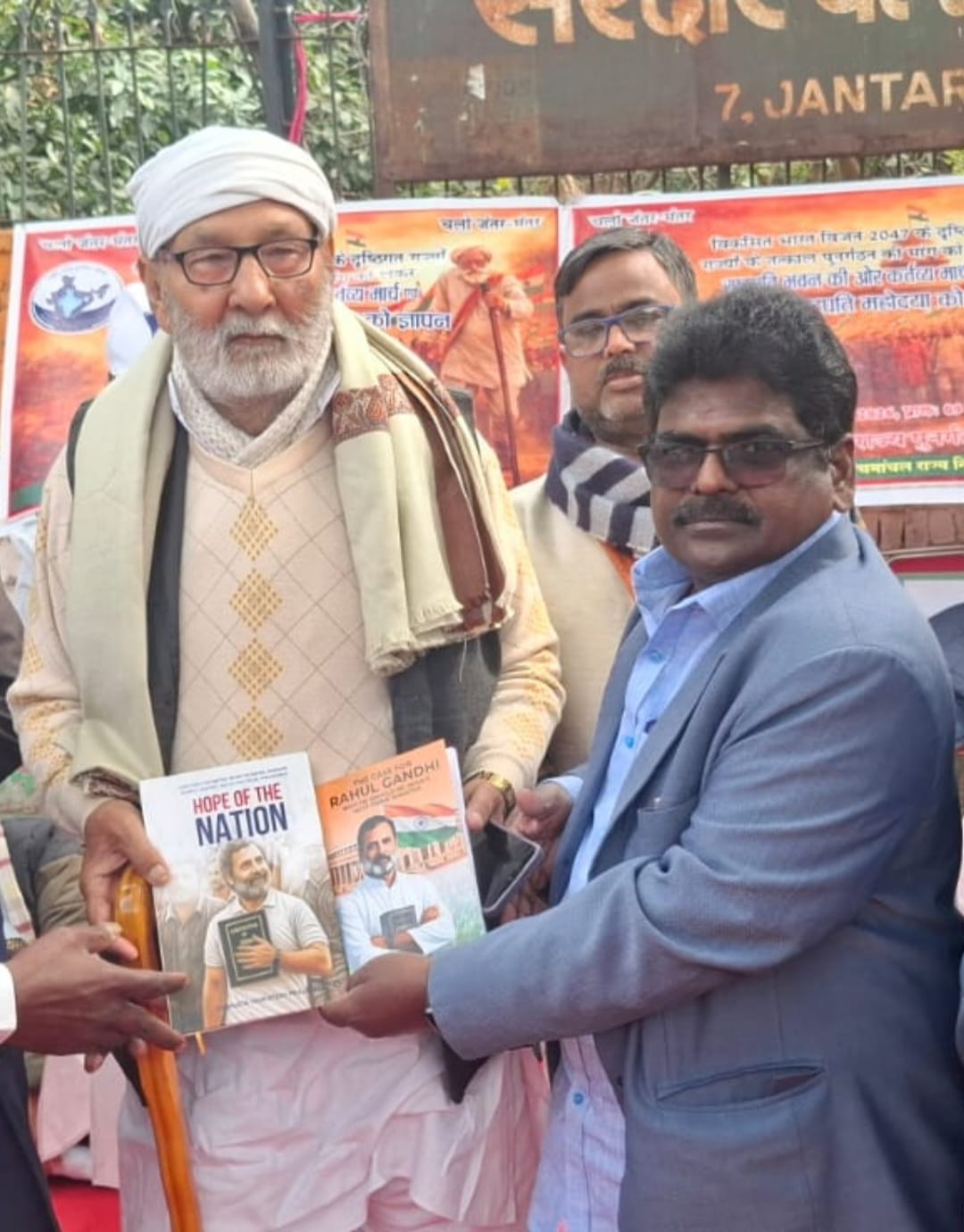
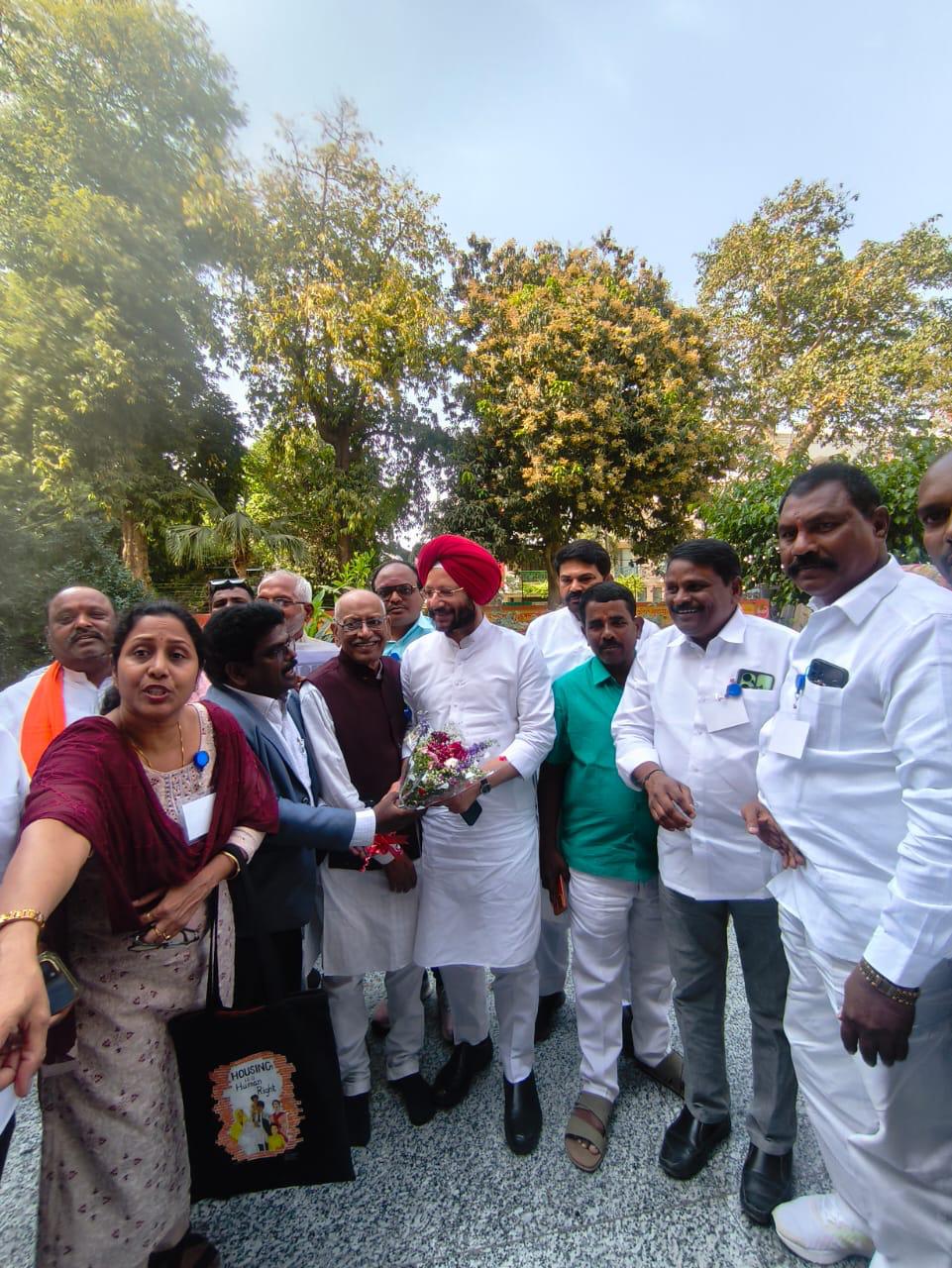
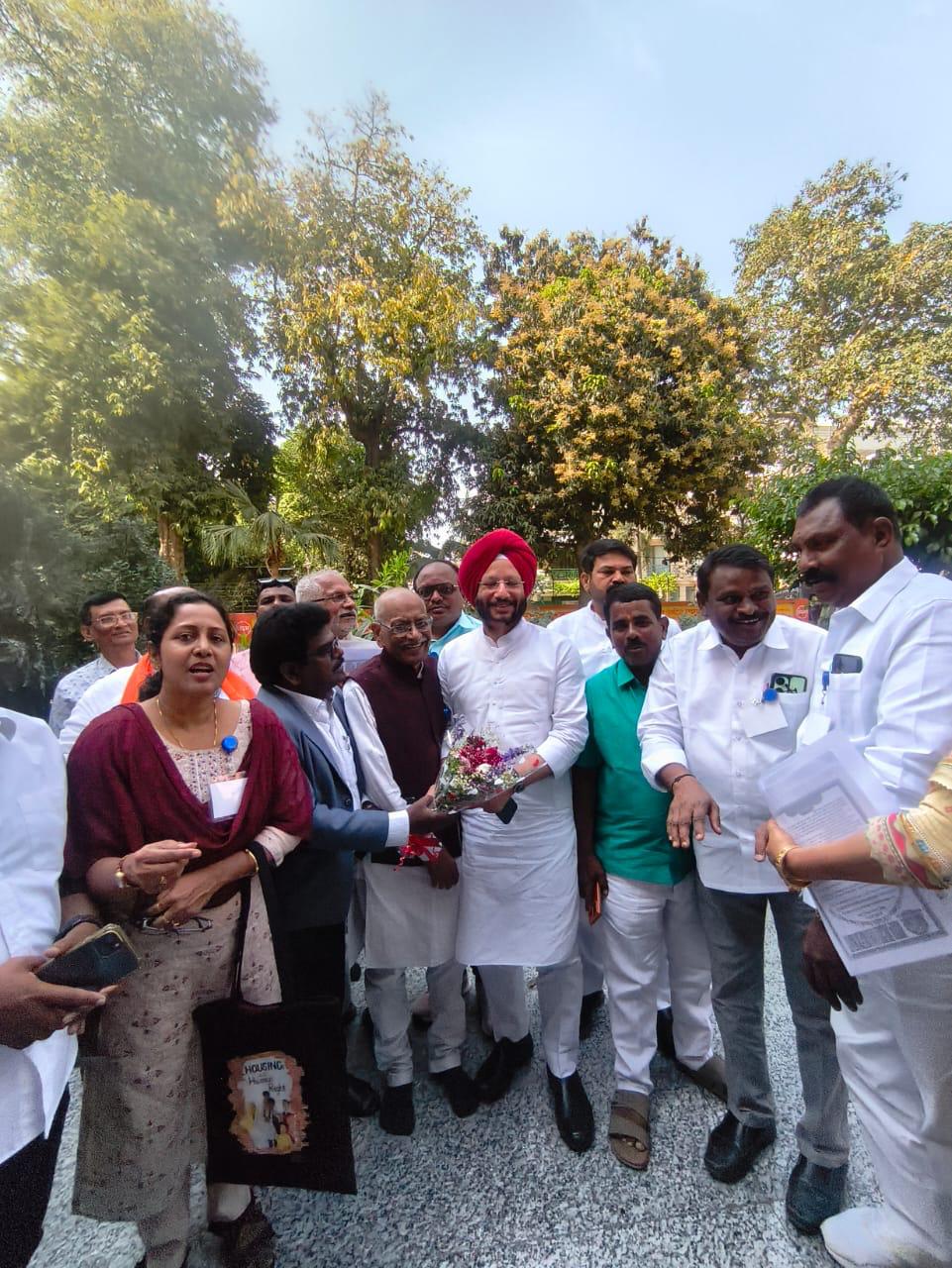
The Nation's Son
"It's my country. I love it. It gave me a lot. I should repay my nation."
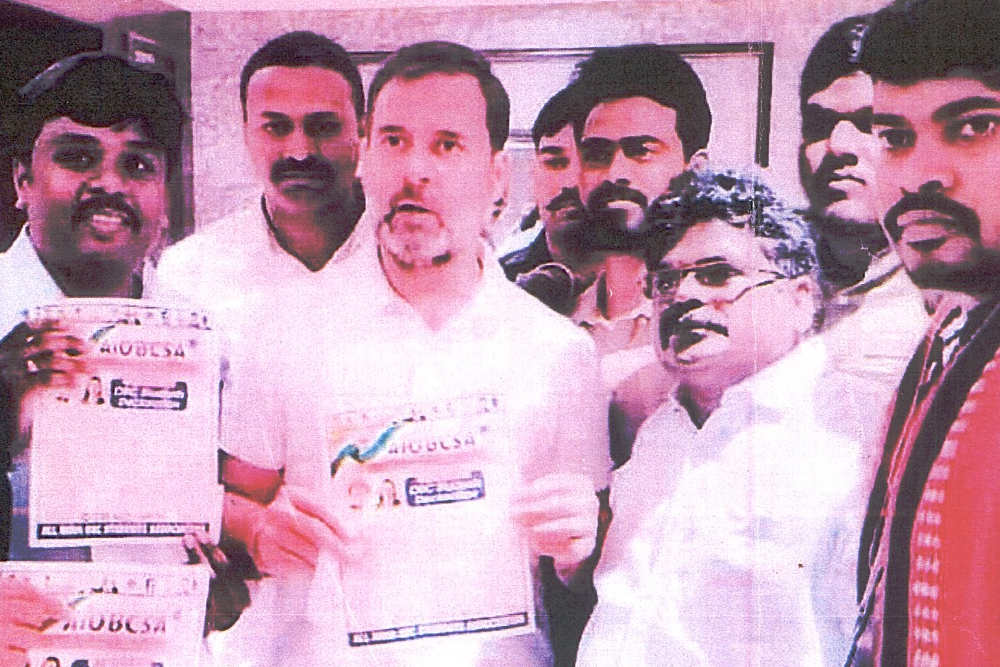
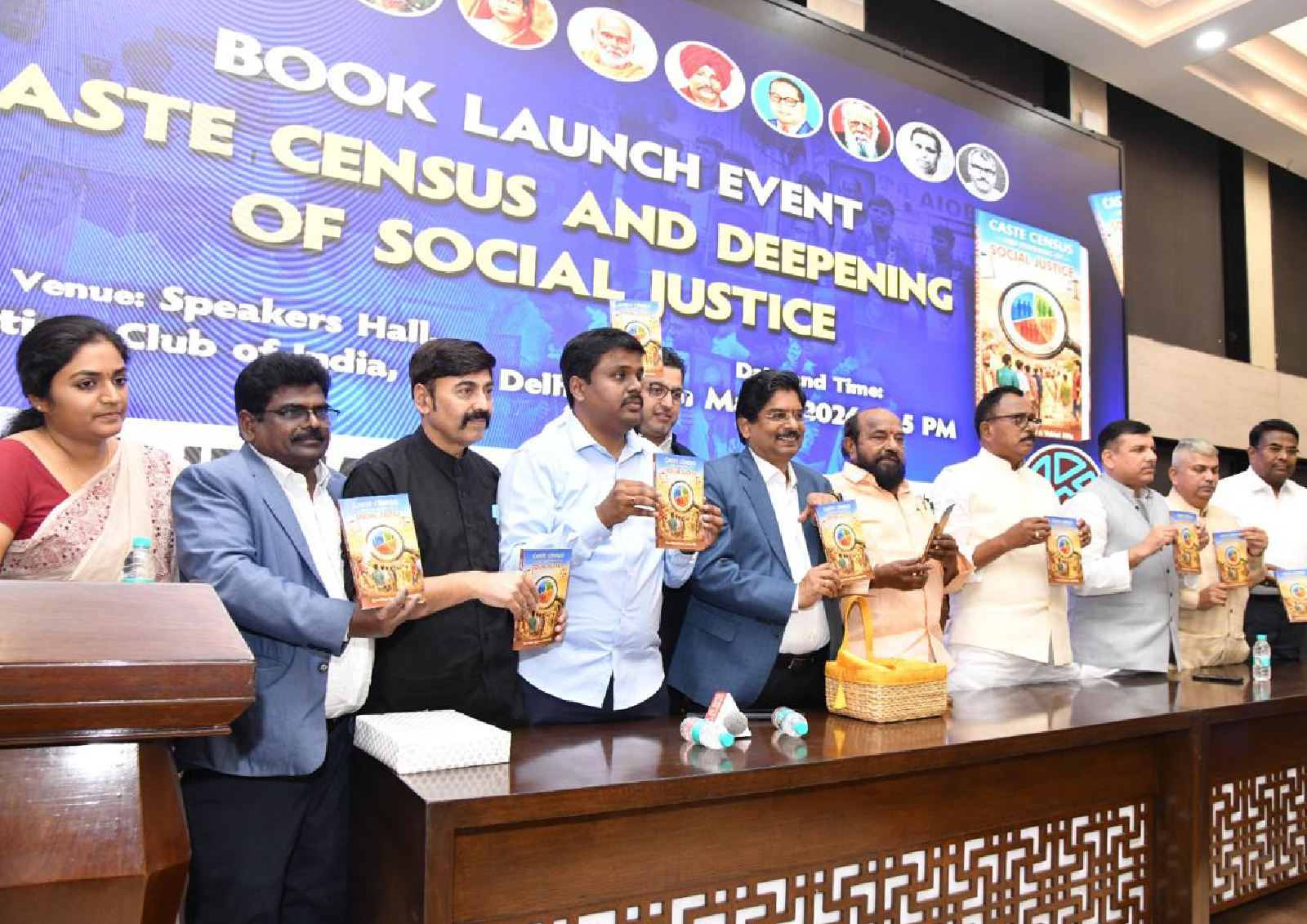
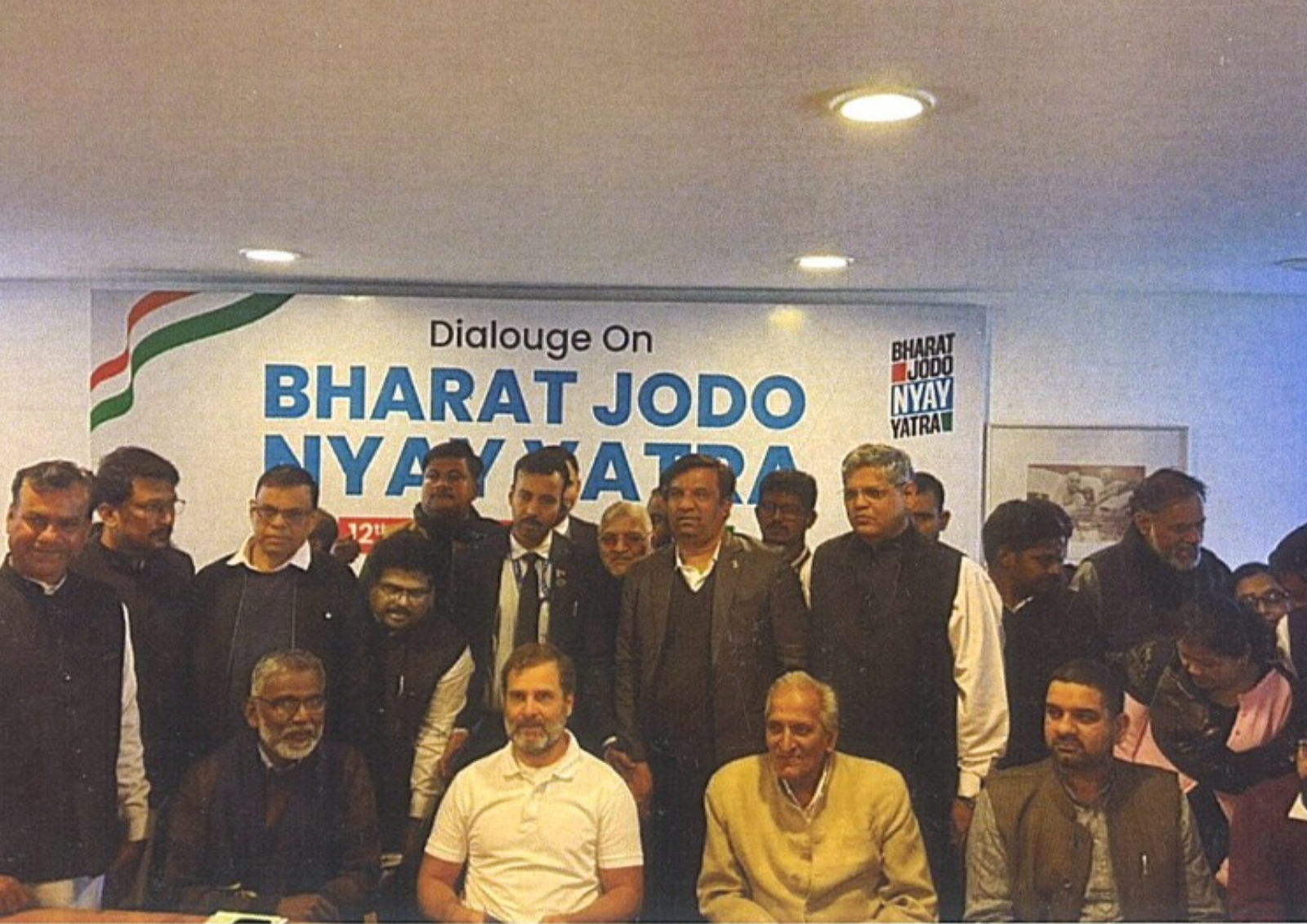
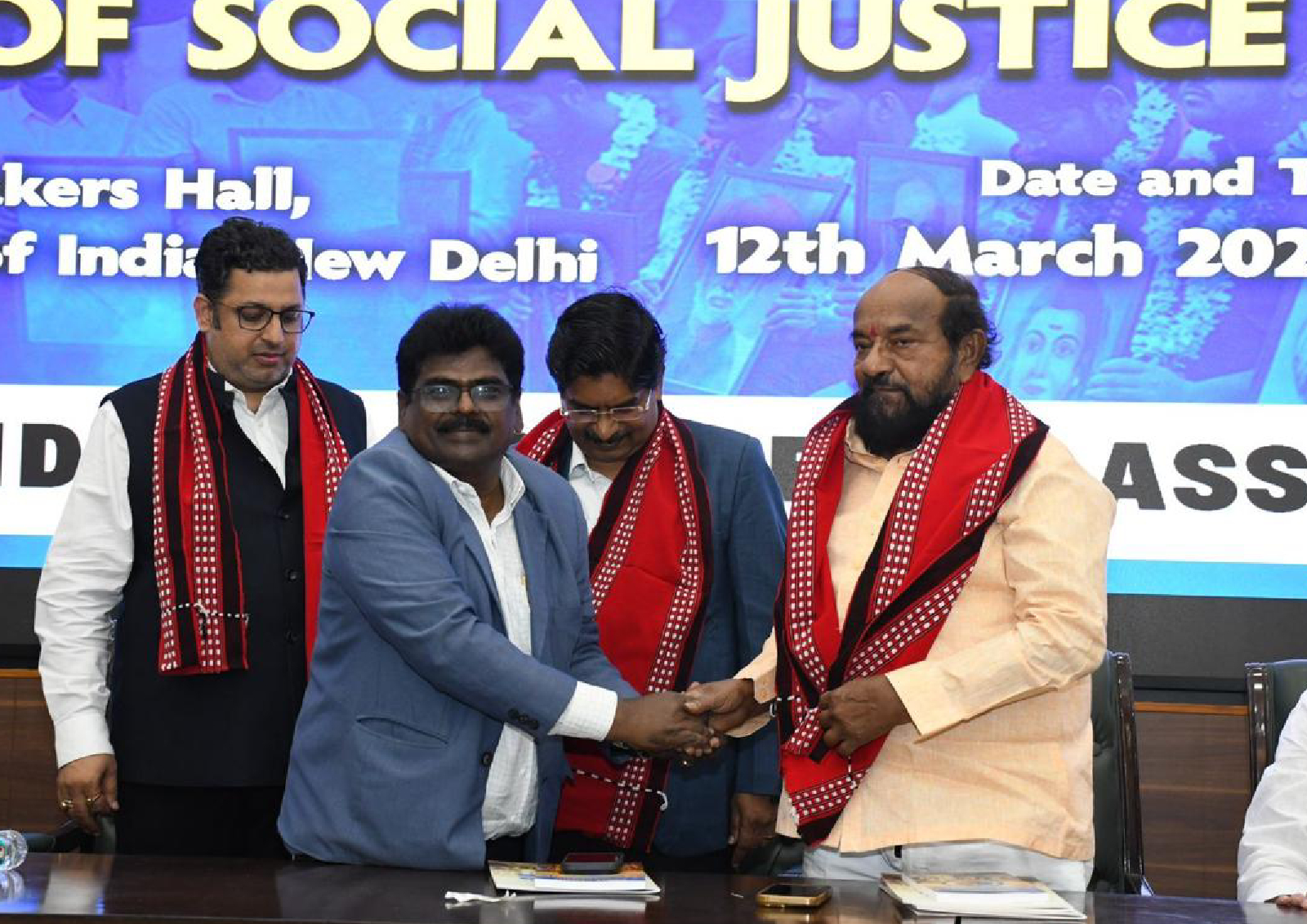
The Philosophy of Equality: A Fighter's Creed
Of all the values that animate Alla Rama Krishna's life, equality is perhaps the most fiercely held. In a society structured by caste hierarchies that are millennia old, by class divisions sharpened by colonial history and capitalist development, by gender inequalities encoded in law and custom alike, to declare oneself a fighter for equality is to declare oneself at war with a great deal that is taken for granted.
Krishna does not merely declare this war in speeches. He lives it in the smallest choices of his daily existence. He eats at the homes of people whose caste identity would once have made such contact unthinkable in many communities. He insists on speaking to domestic workers, construction labourers, and street vendors with the same courtesy and attentiveness he gives to professors and politicians. He refuses to use the deferential language of hierarchy that is still expected in many social interactions, not out of rudeness but out of a principled commitment to treating every human being as an equal interlocutor.
"I question. I fight. I stand on truth. That is the only way equality can be more than a word."
The Concern for the Poor — A Politics of Proximity
Perhaps the most consistent thread running through Alla Rama Krishna's life and work is his orientation toward the poor. In a society that has learned many sophisticated ways of not seeing poverty — through the windscreens of cars, through the gated boundaries of neighbourhoods, through the statistical abstractions of development reports — Krishna has never learned to not see. He sees, and having seen, he cannot un-see. And having not been able to un-see, he cannot not act.
This orientation is not sentimental. Krishna does not romanticise poverty or the poor. He does not project nobility onto suffering or comfort himself with images of simple happiness among the destitute. He is clear-eyed about what poverty does to people — to their bodies, their relationships, their self-esteem, their capacity to imagine futures for themselves and their children. Poverty, in his understanding, is not a natural condition or a temporary inconvenience. It is the product of specific political and economic choices made by those who benefit from its perpetuation, and it demands specific political and economic remedies.